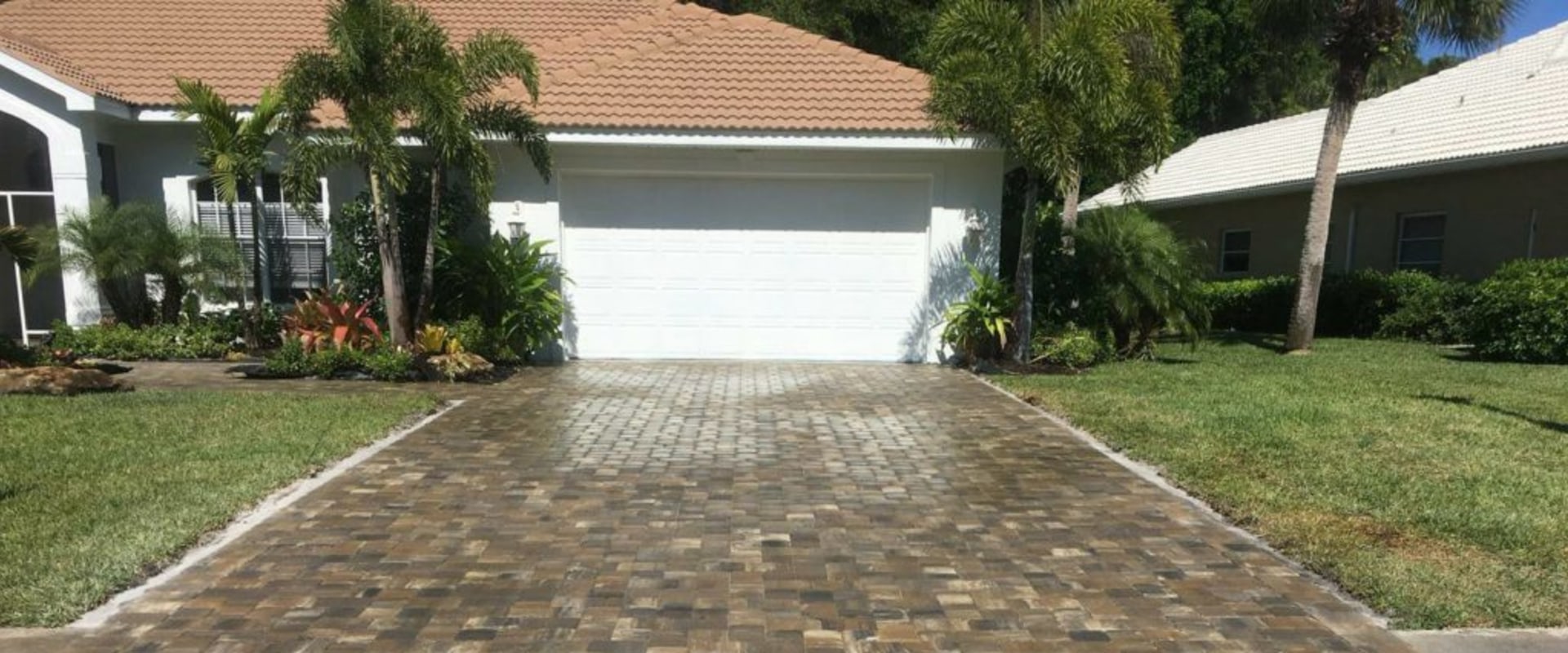
Paving stones have become a popular choice for homeowners looking to enhance their outdoor spaces. Among the various options available, stamped concrete stands out due to its versatility and aesthetic appeal. This type of paving not only mimics the look of natural stone or brick but also offers a durable surface that can withstand the elements. Understanding the benefits of paving stones, particularly stamped concrete, is essential for anyone considering a landscaping project. One of the primary advantages of using paving stones is their ability to create a visually stunning outdoor environment.
With a wide range of colors, patterns, and textures available, homeowners can customize their patios, walkways, and driveways to match their personal style and complement their existing landscape. Stamped concrete, in particular, allows for intricate designs that can elevate the overall look of your property while providing a functional surface. In addition to aesthetic benefits, paving stones offer practical advantages as well. They are known for their durability and low maintenance requirements. Unlike traditional concrete slabs that can crack over time, stamped concrete is designed to be resilient against wear and tear.
Furthermore, the installation process can be more efficient compared to other paving options, making it an attractive choice for those looking to complete their projects in a timely manner. As you explore your options for outdoor paving solutions, it’s crucial to weigh the benefits of paving stones against other materials. By understanding what stamped concrete has to offer, you can make an informed decision that aligns with your budget and design goals. This section will delve deeper into the costs associated with paving stones and how they compare to other alternatives in the market.
Types of Paving Stones Available
When it comes to enhancing your outdoor spaces, understanding the different types of paving stones available is crucial. Each type offers unique characteristics, aesthetic appeal, and functionality.Below, we explore the most popular options: natural stone, concrete pavers, and stamped concrete.
Natural Stone Paving
Natural stone paving is a timeless choice that brings an organic feel to any landscape. Common materials include granite, slate, limestone, and sandstone. Each type of natural stone has its own distinct color variations and textures, allowing for a wide range of design possibilities.- Durability: Natural stone is incredibly durable and can withstand harsh weather conditions.
- Aesthetic Appeal: The unique patterns and colors of natural stone create a sophisticated look.
- Maintenance: While generally low-maintenance, natural stone may require sealing to prevent staining.
Concrete Pavers
Concrete pavers are a versatile and cost-effective option for many homeowners. They come in various shapes, sizes, and colors, making them suitable for any design scheme.Concrete pavers are manufactured under controlled conditions, ensuring uniformity in size and quality.
- Cost-Effective: Generally less expensive than natural stone while still offering a high-end look.
- Easy Installation: Their uniform shape allows for quicker installation compared to irregularly shaped stones.
- Variety: Available in numerous styles and colors to match your aesthetic preferences.
Stamped Concrete
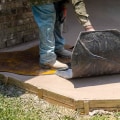
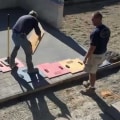
Stamped concrete, also known as textured or imprinted concrete, is a popular choice for those seeking the look of natural stone or brick without the associated costs. This method involves pouring concrete and then stamping it with patterns that mimic other materials.- Aesthetic Versatility: Stamped concrete can replicate various materials like slate, cobblestone, or even wood.
- Cost-Effective Alternative: It provides the appearance of more expensive materials at a fraction of the cost.
- Customization: Available in a wide range of colors and patterns to suit any design vision.
Cost Breakdown of Paving Stones
When planning a paving project, understanding the cost breakdown of paving stones is essential for effective budgeting. This breakdown typically includes three main components: material costs, installation fees, and ongoing maintenance expenses.1.Material Costs
- Paving Stones: The price of paving stones can vary significantly based on the type and quality.
For instance, stamped concrete tends to be more affordable than natural stone options. On average, you can expect to pay between $3 to $10 per square foot for stamped concrete, while natural stone can range from $10 to $30 per square foot.
- Additional Materials: Besides the stones themselves, consider the cost of additional materials such as sand, gravel, and edging. These can add another $1 to $3 per square foot to your total material costs.
2.Installation Costs
- Labor Fees: Labor costs for installing paving stones can vary based on your location and the complexity of the project. Typically, you might pay between $5 to $15 per square foot for professional installation.
Factors that influence labor costs include site preparation, the need for specialized tools, and the intricacy of the design.
- DIY vs. Professional Installation: If you opt for a DIY approach, you can save on labor costs but must consider your skill level and the time required to complete the project. Ensure you have the necessary tools and knowledge to avoid costly mistakes.
3.Maintenance Expenses
- Sealing and Repairs: To maintain the appearance and longevity of your paving stones, regular sealing is recommended. This can cost between $0.50 to $2 per square foot annually.
Additionally, budget for occasional repairs or replacements due to wear and tear.
- Cleaning: Routine cleaning is essential to prevent stains and moss growth. Depending on your method (pressure washing or chemical cleaners), this could add another $0.10 to $0.50 per square foot annually.
Comparing Costs: Paving Stones vs. Other Options
When evaluating outdoor surface options, it’s essential to compare the costs of paving stones with alternatives like asphalt and traditional concrete.Each material has its own unique benefits and drawbacks, particularly in terms of cost-effectiveness and durability.
Paving Stones vs. Asphalt
Asphalt is often considered a budget-friendly option for driveways and walkways. The initial installation cost of asphalt typically ranges from $2 to $5 per square foot, making it an attractive choice for homeowners looking to save money upfront. However, while asphalt may be cheaper initially, it requires regular maintenance, including sealing every few years, which can add to long-term costs.In contrast, paving stones generally have a higher initial cost, averaging between $10 to $30 per square foot depending on the type and quality of the stones.However, paving stones are known for their durability and aesthetic appeal. They can last for decades with minimal maintenance, making them a more cost-effective solution over time.
Concrete vs. Paving Stones Cost Comparison
Traditional concrete is another common alternative to paving stones. The cost of concrete installation typically falls between $4 to $10 per square foot.While concrete is durable and requires less maintenance than asphalt, it lacks the visual appeal that paving stones offer. Cracking can also be an issue with concrete surfaces, leading to potential repair costs down the line.Paving stones provide a significant advantage in terms of design flexibility. Available in various colors, shapes, and textures, they can enhance the overall look of your outdoor space. Although the upfront investment is higher than concrete, the longevity and low maintenance requirements often justify the expense.
Alternatives to Paving Stones
Other alternatives include gravel and permeable pavers.Gravel is one of the most economical options, costing around $1 to $3 per square foot. However, it may require frequent replenishing and can be less stable underfoot compared to paving stones.Permeable pavers are an eco-friendly option that allows water drainage while providing a solid surface. Their costs can range from $10 to $25 per square foot but offer benefits such as reduced runoff and improved drainage.In summary, while paving stones may have a higher initial cost compared to asphalt and concrete, their durability, aesthetic appeal, and lower maintenance needs make them a worthwhile investment for many homeowners. Evaluating your specific needs and budget will help you determine the best option for your outdoor space.
Factors Influencing Installation Costs
When planning a paving stone project, understanding the various factors that influence installation costs is crucial for budgeting effectively.Several elements come into play, including labor costs, the complexity of installation techniques, and regional price variations.
Labor Costs for Paving Stones
Labor costs can significantly impact the overall expense of your paving stone installation. These costs vary based on several factors:
- Experience of the Installer: Skilled professionals with extensive experience in paving stone installation may charge higher rates. However, their expertise can lead to a more efficient and higher-quality installation.
- Project Size: Larger projects may benefit from economies of scale, potentially reducing the cost per square foot. Conversely, smaller jobs might incur higher rates due to minimum charges set by contractors.
- Local Labor Market: The availability of skilled labor in your area can also affect costs.
In regions where there is high demand for construction work, labor rates may be elevated.
Complexity of Installation Techniques
The method used to install paving stones can vary widely, influencing both time and cost. For instance, Greensboro stamped concrete requires specific techniques that can add to the overall expense:
- Preparation Work: Proper site preparation is essential for a successful installation. This may involve excavation, grading, and laying a stable base, all of which require additional labor and materials.
- Design Complexity: Intricate designs or patterns in stamped concrete can increase installation time and labor costs. More complex designs often require skilled artisans who can execute them accurately.
- Finishing Techniques: The application of sealants or special finishes to enhance durability and aesthetics can also add to the cost.
These finishing touches not only improve the appearance but also extend the lifespan of the paving stones.
Regional Price Variations
The geographical location of your project plays a significant role in determining installation costs. Prices for materials and labor can vary widely from one region to another due to factors such as:
- Local Material Availability: Areas with abundant natural stone resources may offer lower prices compared to regions where materials must be transported over long distances.
- Cost of Living: In regions with a higher cost of living, both labor and material prices tend to be elevated. Conversely, rural areas may offer more competitive pricing.
Maintenance Costs and Considerations
When considering the long-term investment in paving stones, it is crucial to factor in the ongoing maintenance costs and considerations that will arise over time. While paving stones can enhance the aesthetic appeal of your outdoor space, they also require regular upkeep to maintain their beauty and functionality.Sealing Requirements
One of the primary maintenance tasks for paving stones, especially for Greensboro stamped concrete, is sealing.Sealing helps protect the surface from stains, moisture, and UV damage. Depending on the type of sealant used and environmental conditions, it is generally recommended to reseal your paving stones every 1 to 3 years. The cost of sealant can range from $0.50 to $1.50 per square foot, depending on the quality and type of product chosen.
Potential Repairs
Over time, even the most durable paving stones may require repairs due to wear and tear or environmental factors. Common issues include:- Cracks: Cracks can develop in stamped concrete due to settling or extreme temperature changes.
Repairing these cracks typically involves filling them with a specialized concrete filler, which can cost around $2 to $5 per linear foot.
- Chipping: Chipped edges can detract from the overall appearance of your paving stones. Repairing chips may involve patching with a concrete mix or replacing individual stones, which can vary in cost based on the extent of damage.
- Weed Growth: Weeds can grow between paving stones, requiring regular maintenance to keep them at bay. Using a weed barrier fabric or applying herbicides can help manage this issue, with costs varying based on the method chosen.
Impact on Long-Term Budgeting
When budgeting for your paving stone project, it’s essential to account for these maintenance costs. While initial installation may seem like the most significant expense, neglecting ongoing maintenance can lead to more costly repairs down the line.By setting aside a portion of your budget for regular upkeep—such as sealing and minor repairs—you can ensure that your investment remains protected and continues to enhance your property’s value.In conclusion, understanding the maintenance costs associated with paving stones is vital for effective long-term planning. By proactively addressing sealing needs and potential repairs, you can enjoy a beautiful outdoor space without unexpected financial burdens.
Aesthetic Value: The Look and Feel of Paving Stones
Paving stones are not just functional; they also offer significant aesthetic value that can transform any outdoor space into a visually appealing environment. The variety of materials, colors, and textures available allows homeowners to create unique designs that complement their landscaping and architectural styles.One of the most popular options in the realm of paving stones is stamped concrete. This versatile material can mimic the appearance of natural stone, brick, or even wood, providing an elegant look without the high cost associated with these materials.Stamped concrete can be customized with various patterns and colors, allowing for endless design possibilities. For instance, homeowners can choose a slate pattern for a sophisticated patio or a cobblestone design for a rustic walkway.When considering the design options for stamped concrete , it’s essential to think about how these elements will integrate with your existing landscape. Here are some tips to enhance your outdoor space:
- Color Coordination: Select colors that harmonize with your home’s exterior and surrounding plants. Earthy tones often work well in natural settings, while brighter hues can add a pop of color.
- Pattern Selection: Choose patterns that reflect your personal style.
For modern aesthetics, geometric patterns may be ideal, while traditional designs like herringbone or basketweave can evoke a classic feel.
- Functional Areas: Use paving stones to define different areas in your yard, such as patios, walkways, and garden borders. This not only enhances functionality but also adds visual interest.
- Retaining Walls: Use paving stones to build retaining walls that add dimension and structure to your garden.
- Fire Pits: Create a cozy gathering spot by surrounding a fire pit with beautifully arranged paving stones.
- Pathways: Design winding pathways through your garden using different shapes and sizes of paving stones to guide visitors through your outdoor space.
By carefully selecting materials and designs that resonate with your style, you can create an outdoor area that is not only functional but also visually stunning.
Getting the Best Value for Your Investment
When it comes to investing in paving stones, particularly Greensboro stamped concrete, getting the best value for your money is essential. Here are some practical tips to ensure you make a wise investment.Consider Bulk Purchasing
One of the most effective ways to save on costs is by purchasing paving stones in bulk. Many suppliers offer significant discounts for larger orders, which can substantially lower the overall price per unit. If you have a large area to cover or are planning multiple projects, consider coordinating with neighbors or friends to place a bulk order together.This not only reduces costs but also allows you to take advantage of wholesale pricing.
Compare Suppliers
Not all suppliers are created equal, and prices can vary widely between them. Take the time to research and compare different suppliers in your area. Look for reviews and testimonials from previous customers to gauge their reliability and quality of service. Additionally, inquire about any ongoing promotions or discounts that may not be advertised.A little effort in comparing suppliers can lead to significant savings.
Select High-Quality Materials
While it may be tempting to go for the cheapest option available, investing in high-quality paving stones can save you money in the long run. High-quality materials tend to be more durable and require less maintenance over time. When selecting paving stones, look for those that are resistant to weathering, staining, and cracking. This will ensure that your investment lasts longer and maintains its aesthetic appeal.Ask About Installation Costs
Installation costs can significantly impact your overall budget.Some suppliers may offer installation services at a discounted rate if you purchase materials from them. Be sure to ask about these options and compare them with independent contractors. Sometimes, hiring a professional installer can save you time and ensure that the job is done correctly, preventing costly repairs down the line.
Evaluate Long-Term Maintenance
When calculating the total cost of ownership for your paving stones, don’t forget to factor in maintenance expenses. Some materials require regular sealing or special cleaning products, which can add up over time.Choose paving stones that are easy to maintain and have a long lifespan without extensive upkeep.By following these tips, you can maximize your investment in paving stones while ensuring that you achieve the desired look and functionality for your outdoor space. Remember, taking the time to research and plan will pay off in both aesthetics and cost-effectiveness.
Frequently Asked Questions About Paving Stones Costs
When considering paving stones for your outdoor project, it's natural to have questions about costs and installation. Below are some frequently asked questions that can help clarify your understanding of paving stone expenses, particularly focusing on Greensboro stamped concrete and other options.What factors influence the cost of paving stones?
The cost of paving stones can vary significantly based on several factors:- Material Type: Different materials, such as natural stone, concrete pavers, or recycled materials, come with varying price points. For instance, natural stone tends to be more expensive than concrete pavers due to its durability and aesthetic appeal.
- Size and Thickness: Larger and thicker stones generally cost more.
The size you choose can also affect the overall installation cost.
- Design Complexity: Intricate designs or patterns may require more labor and time to install, increasing the overall cost.
- Location: Prices can vary by region due to local market conditions and availability of materials.
How much does stamped concrete cost compared to paving stones?
Greensboro stamped concrete typically ranges from $8 to $15 per square foot, depending on the complexity of the design and the quality of materials used. In contrast, paving stones can range from $10 to $30 per square foot. While stamped concrete may initially seem less expensive, consider the long-term maintenance costs associated with both options.Are there additional costs I should consider?
Yes, beyond the initial material and installation costs, you should also factor in:- Labor Costs: Professional installation is recommended for both stamped concrete and paving stones. Labor costs can vary based on your location and the complexity of the project.
- Maintenance: Paving stones may require sealing every few years to maintain their appearance, while stamped concrete might need resealing more frequently depending on exposure to elements.
- Preparation Work: Site preparation such as excavation or grading can add to your overall costs.
How do I get an accurate estimate for my project?
The best way to obtain an accurate estimate is to consult with local contractors who specialize in paving stones and stamped concrete.They can assess your specific project needs, provide material options, and give you a detailed breakdown of costs involved. Always ask for multiple quotes to ensure you are getting a fair price.By understanding these common questions about paving stone costs, you can make a more informed decision that aligns with your budget and design goals.
Conclusion: Making an Informed Decision on Paving Stones
In conclusion, making an informed decision about paving stones requires a comprehensive understanding of the various costs and benefits associated with each option. As we have explored throughout this article, the choice between Greensboro stamped concrete and other paving materials involves several critical factors that can significantly impact your overall satisfaction and budget.First and foremost, it is essential to evaluate the material costs. Paving stones come in a diverse range of materials, including natural stone, concrete pavers, and even eco-friendly options.Each material presents its own price point, durability, and aesthetic appeal. For instance, while natural stone may offer unparalleled beauty and longevity, it often comes with a higher price tag compared to concrete alternatives.Next, consider the installation costs. The complexity of the installation process can vary widely depending on the type of paving stones chosen. For example, while stamped concrete may require specialized skills for proper application, traditional pavers can often be installed more quickly and with less labor.
Understanding these differences will help you budget more accurately for your project.Additionally, ongoing maintenance expenses should not be overlooked. Some materials may require regular sealing or repairs to maintain their appearance and functionality over time. By factoring in these potential costs, you can avoid unexpected financial burdens down the line.Finally, it is crucial to assess the aesthetic value of your chosen paving stones. The visual impact of your outdoor space can greatly influence your overall satisfaction with the project.
Paving stones offer a wide variety of colors, textures, and patterns that can enhance your landscape design. Take the time to compare how different materials will complement your existing architecture and landscaping.In summary, by carefully weighing the costs of materials, installation, maintenance, and aesthetics, you can make a well-informed decision that aligns with both your budget and design aspirations. Whether you opt for Greensboro stamped concrete or another paving solution, understanding these key factors will ensure that your investment yields lasting beauty and functionality for years to come.