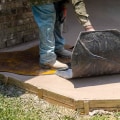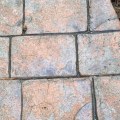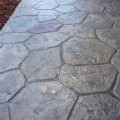
When it comes to stamped concrete, the significance of texture cannot be overstated. Texture serves as a vital component in the overall design, influencing not only the aesthetic appeal but also the functionality of the surface. By incorporating various textures, designers can create visually striking patterns that mimic natural materials like stone, wood, or brick, enhancing the space's character and charm. This versatility allows stamped concrete to be used in a wide range of applications, from residential patios to commercial walkways.The visual impact of texture in stamped concrete is profound.
A well-chosen texture can transform an ordinary slab into a captivating focal point, drawing attention and admiration. For instance, a rough, rugged texture may evoke a sense of rustic charm, while a smooth, polished finish can impart a modern elegance. The interplay between light and shadow on textured surfaces adds depth and dimension, making the concrete appear more dynamic and engaging. This is particularly important in outdoor settings where natural light can enhance these effects.Moreover, the importance of texture extends beyond mere aesthetics; it also plays a crucial role in safety and usability.
Textured surfaces can provide better traction, reducing the risk of slips and falls, especially in wet conditions. This functional aspect is essential for high-traffic areas or spaces exposed to the elements. Therefore, understanding how to effectively select and implement textures in stamped concrete designs is key to achieving both visual appeal and practical performance.
Factors to Consider When Selecting Textures
When it comes to selecting textures for Greensboro stamped concrete, several critical factors must be taken into account to ensure that the final design is not only visually appealing but also functional and durable. Understanding these factors can significantly enhance the overall effectiveness of your project.Size of the Texture
The size of the texture plays a pivotal role in how it will be perceived in the space.Larger textures tend to dominate the visual landscape, making them more suitable for expansive areas where they can be appreciated from a distance. Conversely, smaller textures may get lost in larger spaces but can add intricate detail in smaller, more intimate settings. Therefore, consider the scale of your project when choosing a texture size.
Shape and Design
The shape of the texture can influence not only aesthetics but also how light interacts with the surface. Curved or irregular shapes often create a dynamic look, drawing the eye and adding depth to the design.In contrast, straight lines and geometric patterns can impart a sense of order and sophistication. Think about how the shape will complement other elements in your design, such as landscaping or architectural features.
Type of Texture
The type of texture you choose is crucial for achieving the desired visual effect. For instance, embossed textures can mimic natural materials like stone or wood, providing a realistic appearance that enhances the overall design. Smooth finishes, while sleek and modern, may lack the character that textured surfaces offer.Additionally, consider how different textures will perform under foot traffic and weather conditions; some may be more prone to wear and tear than others.
Color Considerations
Color is another essential factor in texture selection. The hue of your stamped concrete can dramatically affect how textures are perceived. Darker colors often create a striking contrast with lighter elements in your design, while lighter shades can make spaces feel more open and airy. It’s important to test color combinations to see how they interact with your chosen textures and ensure they align with your overall vision.Interaction with Other Elements
Finally, consider how your chosen texture will interact with other materials and elements in your project.If you plan to use multiple textures, ensure they harmonize rather than clash. For example, pairing a rough texture with smooth surfaces can create an interesting contrast but may require careful planning to avoid visual chaos.By thoughtfully considering these factors—size, shape, type, color, and interaction—you can select textures for your Greensboro stamped concrete project that not only enhance its visual appeal but also contribute to its longevity and functionality.
The Role of Size and Shape in Texture Selection
When it comes to selecting textures for Greensboro stamped concrete, understanding the role of size and shape is crucial. These two elements significantly influence not only the aesthetic appeal but also the functionality of your design.Size of Texture
The size of a texture can dramatically affect its visibility and impact within a space. Larger textures tend to dominate the visual landscape, making them ideal for expansive areas where they can be appreciated from a distance.
For instance, a bold, large-scale stamped pattern can create a striking focal point in a spacious patio or driveway, drawing the eye and enhancing the overall design.Conversely, smaller textures may be more suitable for intimate settings or smaller projects. They can add subtlety and detail without overwhelming the space. For example, intricate, smaller patterns can be used effectively in walkways or garden paths, providing an elegant touch that invites closer inspection.
Shape of Texture
The shape of the texture is equally important in determining its visual effectiveness. Textures with angular or geometric shapes can convey a modern and structured feel, while organic, flowing shapes often evoke a sense of natural beauty and tranquility.
For example, a stamped concrete design that mimics natural stone with rounded edges can create a warm and inviting atmosphere in outdoor living spaces.Moreover, the shape can influence how light interacts with the surface. Textures with varied elevations and contours can create dynamic shadows that change throughout the day, adding depth and interest to your design. This interplay of light and shadow is particularly effective in outdoor settings where natural light plays a significant role.
Impact on Overall Design
The combination of size and shape ultimately impacts how textures work together within your overall design scheme. When selecting textures for stamped concrete, consider how they will interact with other elements such as landscaping, furniture, and architectural features.
A well-balanced design will harmonize these aspects, creating a cohesive look that enhances the space.In summary, paying attention to the size and shape of textures is essential for achieving visual effectiveness in your stamped concrete projects. By thoughtfully considering these factors, you can create designs that are not only beautiful but also functional and enduring.
Types of Textures for Stamped Concrete
When it comes to Greensboro stamped concrete, the variety of textures available can significantly influence the overall aesthetic and functionality of your project. Understanding the different types of textures can help you make informed decisions that enhance both visual appeal and durability.Embossed Textures
Embossed textures are designed to create a three-dimensional effect, mimicking natural materials like stone or wood. This type of texture is particularly popular for outdoor patios, walkways, and driveways, as it adds depth and character to the surface.The raised patterns not only enhance visual interest but also provide better traction, making them a safer option in wet conditions.
Smooth Textures
Smooth textures offer a sleek and modern appearance, making them ideal for contemporary designs. While they may lack the intricate detail of embossed textures, smooth finishes are easier to clean and maintain. They are often used in indoor applications or areas where a minimalist look is desired. However, it’s essential to consider that smooth surfaces can become slippery when wet, so they may not be suitable for all outdoor settings.Comparing Texture Types
- Visual Appeal: Embossed textures provide a more dynamic look, while smooth textures offer a clean and polished finish.
- Traction: Embossed surfaces generally provide better grip compared to smooth finishes, which can be crucial for safety in high-traffic areas.
- Maintenance: Smooth textures are typically easier to maintain due to their lack of grooves and crevices that can trap dirt and debris.
- Application Suitability: Consider the intended use; embossed textures are great for outdoor spaces, while smooth finishes may be better suited for indoor environments.
By carefully evaluating these options, you can select a texture that not only enhances the beauty of your Greensboro stamped concrete but also meets practical needs for safety and maintenance.
Color Considerations in Texture Selection
When it comes to selecting textures for stamped concrete, color is a critical factor that can significantly influence the overall aesthetic of your design. The right color choices not only enhance the texture but also contribute to the visual harmony of the entire space. Understanding how colors interact with each other and with the textures you choose is essential for achieving a cohesive look.Understanding Color Theory
Before diving into specific color selections, it's important to grasp some basic principles of color theory. Colors can be categorized into three main groups: primary, secondary, and tertiary.
Primary colors (red, blue, yellow) can be mixed to create secondary colors (green, orange, purple), while tertiary colors are formed by mixing primary and secondary colors. This foundational knowledge can help you create effective color combinations that enhance your stamped concrete textures.
Choosing Complementary Colors
Complementary colors are those that are opposite each other on the color wheel. When used together, they create a vibrant contrast that can make textures pop. For instance, if you choose a warm-toned stamped concrete texture in shades of red or orange, pairing it with cool-toned accents like blues or greens can create a striking visual effect.
This contrast not only draws attention to the texture but also adds depth to your design.
Monochromatic Schemes
Another effective approach is to use a monochromatic color scheme, which involves varying shades and tints of a single color. This method can create a sophisticated and harmonious look. For example, using different shades of gray for your stamped concrete can provide subtle variations in texture while maintaining a cohesive appearance. This approach works particularly well in modern designs where simplicity and elegance are key.
Considering the Environment
The surrounding environment plays a significant role in how colors are perceived.
Natural light can alter the appearance of colors throughout the day, so it's essential to consider how your chosen colors will look in different lighting conditions. Additionally, take into account the existing elements in your landscape or architecture. For instance, if your home features earthy tones, selecting complementary textures in similar hues will create a seamless transition between indoor and outdoor spaces.
Testing Color Combinations
- Before finalizing your choices, it's advisable to test various color combinations on small samples of stamped concrete.
- This allows you to see how different colors interact with each other and how they look under various lighting conditions.
- Consider creating mock-ups or using design software to visualize how your selected textures and colors will work together.
Interplay Between Textures and Other Design Elements
When designing a space, the interplay between different textures can significantly influence the overall aesthetic and functionality of the environment.Understanding how greensboro stamped concrete interacts with other design elements is crucial for achieving a harmonious and visually appealing result.Textures can either complement or clash with one another, depending on their characteristics and how they are applied within the design. For instance, a rough, textured surface like stamped concrete can create a striking contrast when paired with smooth materials such as glass or polished metal. This contrast can add depth and interest to a space, drawing attention to specific areas while maintaining a cohesive look.
Blending Textures for Cohesion
To achieve a cohesive design, it’s essential to consider how different textures will blend together. Here are some strategies to ensure that your texture selections work in harmony:- Color Coordination: Ensure that the colors of your textures complement each other.
For example, warm-toned stamped concrete can pair beautifully with earthy stone or wood finishes, creating a unified palette.
- Scale and Proportion: Consider the scale of each texture in relation to the space. Large textures may dominate smaller areas, while intricate patterns might get lost in expansive spaces. Striking a balance is key.
- Layering Techniques: Use layering to create visual interest. For instance, combining stamped concrete with softer materials like grass or gravel can soften the overall look while maintaining structure.
Avoiding Texture Clashes
While blending textures is important, it’s equally vital to avoid clashes that can disrupt the flow of your design.Here are some tips to prevent potential conflicts:
- Contrast with Purpose: If you choose to use contrasting textures, do so intentionally. Ensure that they serve a purpose in the design rather than simply being juxtaposed without thought.
- Consistent Theme: Maintain a consistent theme throughout your design. Whether you’re aiming for modern minimalism or rustic charm, ensure that all textures align with your chosen style.
- Test Combinations: Before finalizing your selections, test combinations in small areas or through digital mock-ups. This allows you to visualize how different textures interact before committing.
By thoughtfully considering how greensboro stamped concrete interacts with surrounding materials and elements, you can create a cohesive and visually stunning environment that resonates with its intended purpose.
Maintenance Considerations for Different Textures
When it comes to maintaining the visual appeal of your Greensboro stamped concrete, understanding the maintenance requirements of different textures is crucial. Each texture type has its own set of characteristics that can influence not only its appearance but also its longevity and durability over time.Understanding Texture Durability
Durability is a key factor in the long-term maintenance of stamped concrete. Textures that are more intricate or pronounced may require more attention than smoother finishes. For instance, deeply embossed textures can trap dirt and debris, making them harder to clean.Conversely, smoother textures may be easier to maintain but might not provide the same level of visual interest.
Maintenance Requirements for Various Textures
- Embossed Textures: These textures often require regular cleaning to prevent dirt buildup. A pressure washer can be effective, but care must be taken to avoid damaging the surface. Additionally, applying a sealant every few years can help protect the texture from wear and fading.
- Smooth Finishes: While these are generally easier to maintain, they can show stains more readily. Regular sweeping and occasional washing with mild soap can keep them looking fresh.
Sealing is also recommended to enhance their resistance to staining.
- Aggregate Textures: These surfaces can be quite durable but may require periodic resealing to maintain their appearance. The exposed aggregates can become dull over time, so a good cleaning regimen is essential to keep them vibrant.
- Stenciled Patterns: Similar to embossed textures, stenciled patterns may need more frequent cleaning due to their design intricacies. Regular maintenance includes sweeping and washing, along with resealing every few years to protect against fading.
Long-Term Care Strategies
To ensure that your stamped concrete retains its beauty over time, consider implementing a comprehensive long-term care strategy:- Regular Inspections: Periodically check for signs of wear or damage. Early detection of issues like cracks or discoloration can save you from more extensive repairs later.
- Seasonal Maintenance: In regions with harsh winters, it’s important to clear snow and ice promptly to prevent damage.
Use non-corrosive de-icing agents to avoid harming the concrete surface.
- Resealing: Depending on the texture and exposure conditions, resealing every 2-5 years is advisable. This helps protect against moisture infiltration and UV damage.
Tips for Achieving Visual Effectiveness with Textures
When it comes to selecting textures for Greensboro stamped concrete, achieving visual effectiveness is paramount. Here are some practical tips and best practices to guide you in making the right choices:- Understand Your Space: Before selecting textures, assess the environment where the stamped concrete will be installed.
Consider factors such as lighting, surrounding materials, and the overall aesthetic of the area. For instance, a rustic texture may complement a natural landscape, while a sleek finish might suit a modern urban setting.
- Mix and Match Textures: Combining different textures can create depth and interest in your design. However, ensure that the textures you choose harmonize with each other. For example, pairing a rough stone texture with a smoother finish can create a striking contrast that enhances visual appeal.
- Scale Matters: The size of the texture plays a crucial role in its visual impact.
Larger textures can dominate a space and are more visible from afar, making them ideal for expansive areas. Conversely, smaller textures work well in confined spaces where intricate details can be appreciated up close.
- Color Coordination: The color of your stamped concrete should complement the chosen texture. Darker textures often stand out more prominently against lighter concrete, while lighter textures can create a subtle elegance. Always test color samples in natural light to see how they interact.
- Consider Functionality: Some textures may be more suitable for specific applications than others.
For example, if your stamped concrete will be in a high-traffic area, opt for textures that are durable and resistant to wear. Additionally, consider how easy it will be to clean and maintain the texture over time.
- Consult Professionals: If you're unsure about which textures to choose, consulting with professionals who specialize in stamped concrete can provide valuable insights. They can help you navigate options based on your specific project needs and preferences.
Frequently Asked Questions About Textures in Stamped Concrete
When it comes to selecting textures for Greensboro stamped concrete, many homeowners and contractors have questions.Understanding the nuances of texture selection can significantly enhance the visual appeal and functionality of your concrete surfaces. Here are some frequently asked questions that can help clarify common concerns and guide your decision-making process.
What are the most popular textures for stamped concrete?
Some of the most sought-after textures for stamped concrete include:- Slate: Offers a natural stone appearance with a rugged surface.
- Brick: Provides a classic look, ideal for patios and walkways.
- Stone: Mimics the look of real stone, adding elegance to any space.
- Wood: Creates a warm, inviting feel, perfect for outdoor living areas.
How do I choose the right texture for my project?
Selecting the right texture involves considering several factors:- Purpose: Determine if the area will experience high foot traffic or if it’s primarily decorative.
- Aesthetic: Choose a texture that complements your home’s architecture and landscaping.
- Maintenance: Some textures may require more upkeep than others; consider your willingness to maintain them.
Can I combine different textures in one project?
Yes, combining different textures can create a visually dynamic space. However, it’s essential to ensure that the textures harmonize with each other. For instance, pairing a rough stone texture with a smooth finish can create an interesting contrast, but be cautious not to overwhelm the design.Will stamped concrete textures fade over time?
While stamped concrete is designed to be durable, exposure to sunlight and harsh weather conditions can lead to fading.To mitigate this, consider using high-quality sealers that protect against UV rays and wear. Regular maintenance can also prolong the vibrancy of your chosen texture.
Are there any limitations to using stamped concrete textures?
Yes, there are some limitations to keep in mind:- Climate: In extremely cold climates, certain textures may be more prone to cracking.
- Installation: Some intricate textures may require professional installation for optimal results.
- Curing time: Textured surfaces may need longer curing times before they can be used.
Conclusion: The Art of Texture Selection in Stamped Concrete Design
In conclusion, the selection of textures in Greensboro stamped concrete design is not merely a matter of aesthetics; it is an art form that requires careful consideration and planning. Throughout this article, we have explored various aspects of texture selection, emphasizing its critical role in enhancing the visual appeal and functionality of concrete surfaces.One of the key takeaways is the importance of understanding how different textures interact with light and shadow. Textures can create depth and dimension, transforming a flat surface into a dynamic visual experience.For instance, embossed textures can mimic natural materials like stone or wood, providing a realistic appearance that can elevate the overall design.Moreover, the size and shape of the texture play a significant role in its effectiveness. Larger textures may dominate smaller spaces, while finer details can be lost in expansive areas. Therefore, it is essential to match the texture scale with the project’s dimensions to achieve a harmonious balance.Color compatibility is another crucial factor. The right color can enhance the texture's visibility and impact, while poor color choices may lead to a disjointed look.
When selecting colors for your stamped concrete, consider how they will complement or contrast with surrounding elements, including landscaping and architectural features.Additionally, maintenance considerations cannot be overlooked. Some textures may require more upkeep than others, especially in high-traffic areas or regions with extreme weather conditions. Choosing durable textures that withstand wear and tear will ensure your design remains beautiful over time.Ultimately, thoughtful texture selection in Greensboro stamped concrete design can significantly influence the success of your project. By considering factors such as interaction with other design elements, scale, color compatibility, and maintenance needs, you can create stunning concrete surfaces that not only meet aesthetic goals but also serve practical purposes.As you embark on your next stamped concrete project, remember that each texture tells a story.
Choose wisely to craft a narrative that resonates with your vision and enhances the beauty of your space.