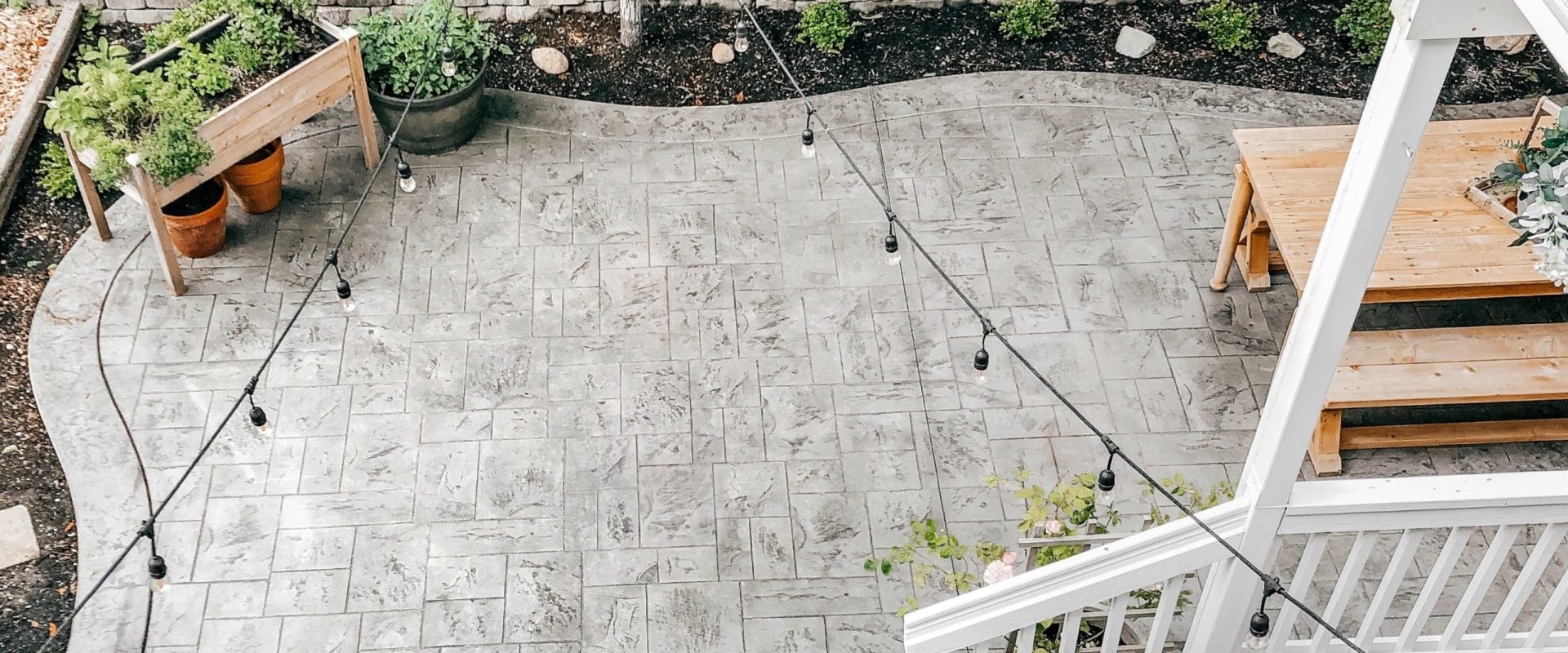
Stamped concrete is a versatile and aesthetically pleasing option for enhancing outdoor spaces. It involves pouring concrete and then imprinting it with patterns and textures that mimic natural materials such as stone, brick, or wood. This technique not only elevates the visual appeal of driveways, patios, and walkways but also offers a durable surface that can withstand the elements. In cities like Greensboro, where outdoor living is cherished, stamped concrete serves as an ideal solution for homeowners looking to create inviting and functional spaces.The benefits of stamped concrete extend beyond its attractive appearance.
One of the primary advantages is its cost-effectiveness compared to traditional materials. While natural stone or pavers can be expensive and labor-intensive to install, stamped concrete provides a similar look at a fraction of the cost. Additionally, it requires less maintenance over time, as it is less prone to shifting or settling than individual stones or bricks. Homeowners can enjoy a beautiful outdoor area without the constant upkeep that other materials might demand.Moreover, stamped concrete offers endless design possibilities.
With a wide range of colors, patterns, and textures available, homeowners can customize their installations to match their personal style and complement their existing landscape. Whether you prefer the rustic charm of cobblestone or the sleek elegance of slate, stamped concrete can be tailored to fit any aesthetic. This adaptability makes it a popular choice for various applications, from residential patios to commercial walkways.As we delve deeper into the design considerations for stamped concrete installation, understanding its foundational aspects will help you make informed decisions that align with your vision. By exploring the unique characteristics and advantages of stamped concrete, you will be better equipped to create stunning outdoor spaces that enhance both beauty and functionality.
Types of Stamped Concrete Designs
When considering Greensboro stamped concrete, one of the most exciting aspects is the variety of design options available.Stamped concrete can mimic the appearance of natural materials, such as stone or brick, while providing the durability and versatility of concrete. Below are some popular types of stamped concrete designs that can enhance your outdoor spaces.
Patterns
The pattern you choose for your stamped concrete can significantly influence the overall aesthetic. Here are some common patterns:- Brick Patterns: These designs replicate the classic look of brick pavers, offering a timeless appeal. They are often used for patios and walkways.
- Stone Patterns: Mimicking natural stone, these patterns can range from slate to fieldstone.
They provide a rustic charm and are ideal for landscaping projects.
- Tile Patterns: For a more modern look, tile patterns can be used to create a sleek and sophisticated appearance. These designs work well in contemporary settings.
- Geometric Patterns: These designs incorporate sharp lines and angles, making them suitable for modern architecture. They can add a unique flair to any space.
Color Options
The color of your stamped concrete is just as important as the pattern. You can choose from a wide range of colors to complement your home’s exterior or landscape.Some popular choices include:
- Earthy Tones: Colors like browns, tans, and grays blend seamlessly with natural surroundings.
- Bold Colors: Bright reds, blues, or greens can make a striking statement and add personality to your outdoor area.
- Two-Tone Effects: Combining two colors can create depth and dimension, enhancing the visual interest of your stamped concrete.
Texture Variations
The texture of stamped concrete plays a crucial role in its overall appearance. Different textures can evoke various styles:- Smooth Finishes: Ideal for modern designs, smooth finishes offer a sleek look that is easy to clean.
- Rough Textures: These provide a more natural feel and are often used in rustic or traditional settings.
- Textured Borders: Adding textured borders around your stamped concrete can enhance its design and create a defined edge.
Choosing the Right Concrete Mix
When it comes to Greensboro stamped concrete installations, selecting the right concrete mix is crucial for achieving both durability and aesthetic appeal. The concrete mix you choose will significantly influence the strength, longevity, and overall appearance of your stamped concrete project.Here are some key considerations and types of concrete mixes to help you make an informed decision.
Types of Concrete Mixes
- Standard Portland Cement Mix: This is the most common type of concrete mix used for stamped concrete. It consists of Portland cement, water, and aggregates (sand and gravel). This mix provides a solid foundation and is suitable for most residential applications.
- High-Strength Concrete Mix: For areas that will experience heavy traffic or loads, a high-strength mix may be necessary. This type typically has a higher cement content and lower water-to-cement ratio, resulting in increased durability.
- Fiber-Reinforced Concrete: Incorporating synthetic or steel fibers into the mix can enhance the tensile strength and crack resistance of the concrete.
This is particularly beneficial in climates with extreme temperature fluctuations.
- Colored Concrete Mix: If you want to achieve a specific color in your stamped concrete, consider using a colored mix. These mixes contain pigments that can create vibrant hues, allowing for more creative design options.
- Stamped Overlay Mix: For existing concrete surfaces that need a facelift, a stamped overlay mix can be applied. This thinner layer allows for stamping without the need for complete removal of the old surface.
Concrete Mix Considerations
When selecting a concrete mix for your stamped concrete project, consider the following factors:- Climate: In Greensboro, where humidity and temperature can vary, it's essential to choose a mix that can withstand local weather conditions. High-strength mixes or those with additives for freeze-thaw resistance may be ideal.
- Aesthetic Goals: Think about the final look you want to achieve.
If you're aiming for intricate designs or vibrant colors, ensure your chosen mix supports these features.
- Application Method: The method of application can also dictate the type of mix you should use. For instance, if you're using stamping techniques that require more workability, a specific blend may be necessary.
Color Selection for Stamped Concrete
When it comes to Greensboro stamped concrete, color selection plays a pivotal role in determining the aesthetic appeal and overall ambiance of your outdoor space. The right color can enhance the beauty of your stamped concrete, making it a stunning focal point in your landscape.There are several factors to consider when choosing colors for stamped concrete:- Surrounding Environment: The colors you select should harmonize with the existing elements in your yard, such as plants, flowers, and the exterior of your home.
For instance, earthy tones like browns and tans can complement natural landscapes, while brighter hues can add a pop of color against a neutral backdrop.
- Purpose of the Space: Consider how you intend to use the area. A patio designed for relaxation might benefit from softer, calming colors, while a driveway may require more robust shades that can withstand dirt and wear.
- Lighting Conditions: The amount of natural light in the area can significantly affect how colors appear. Lighter shades can brighten up darker spaces, while darker colors can create a more intimate atmosphere in well-lit areas.
- Integral Color: This method involves mixing color pigments directly into the concrete before pouring. It provides a uniform color throughout the slab and is less likely to fade over time.
- Color Hardener: Applied to the surface of freshly poured concrete, color hardeners offer vibrant hues and added durability.
This method allows for more intricate designs and patterns.
- Stains and Dyes: These are applied after the concrete has cured and can create rich, translucent effects. Stains are ideal for achieving a natural stone look, while dyes offer a broader spectrum of colors.
Texture and Finish Options
When it comes to Greensboro stamped concrete, the texture and finish options play a crucial role in determining the overall aesthetic and functionality of the installation. The right choice can enhance the visual appeal while also providing practical benefits such as slip resistance and durability.Texture Options for Stamped Concrete
Stamped concrete can mimic a variety of natural materials, offering a wide range of texture options.Here are some popular choices:
- Slate Texture: This option replicates the look of natural slate, featuring a rugged surface that adds depth and character. It is ideal for patios and walkways.
- Brick Texture: Perfect for driveways or garden paths, this texture gives the appearance of traditional brickwork, providing a classic and timeless look.
- Stone Texture: Mimicking natural stone, this texture can vary from smooth to rough, allowing homeowners to choose a finish that complements their landscape.
- Wood Plank Texture: For those who desire the warmth of wood without the maintenance, this option offers a realistic wood grain appearance, suitable for decks and outdoor living spaces.
Finishes for Stamped Concrete
The finish applied to stamped concrete not only affects its appearance but also its performance. Here are some common finishes:- Matte Finish: A matte finish provides a subtle look that is less reflective, making it ideal for outdoor areas where glare might be an issue.
- Glossy Finish: This finish enhances color vibrancy and adds shine, making it suitable for decorative areas like pool decks or entryways.
- Textured Finish: Adding texture to the surface can improve slip resistance, making it safer for wet conditions. This is particularly important for areas exposed to rain or pool splashes.
Consider how these elements will interact with your home’s architecture and landscape to create a cohesive outdoor space that not only looks great but also stands up to the elements.
Planning Your Stamped Concrete Project
Planning a stamped concrete project requires careful consideration and thorough preparation to ensure a successful installation. By following a structured approach, you can avoid common pitfalls and achieve the desired aesthetic for your outdoor space.1.Measure the Area
- Begin by accurately measuring the area where you intend to install the stamped concrete. Use a tape measure to determine the length and width of the space, and calculate the total square footage.
- Consider any existing features such as trees, shrubs, or structures that may affect the layout. Mark these areas clearly to avoid confusion during installation.
- If your design includes curves or intricate patterns, sketch a detailed plan to visualize how the stamped concrete will fit into the overall landscape.
2.Gather Necessary Materials
- Once you have your measurements, compile a list of materials needed for the project.
This typically includes:
- Concrete mix suitable for stamping
- Color additives or stains
- Release agents to prevent sticking
- Stamping tools and mats
- Sealers for protection and longevity
- Visit local suppliers in Greensboro to source high-quality materials. Ensure that you have enough supplies on hand to complete the project without delays.
3.Ensure Safety Measures
- Safety should be a top priority during any construction project. Before starting, gather essential safety gear such as:
- Protective eyewear to shield against dust and debris
- Gloves to protect your hands from chemicals and rough materials
- A dust mask if working with concrete dust or strong odors from additives
- Additionally, ensure that your workspace is clear of hazards and that you have adequate ventilation if working in enclosed areas.
4.Plan for Weather Conditions
- Check the weather forecast leading up to your installation date. Ideal conditions for pouring stamped concrete include mild temperatures and low humidity.
- Avoid installing during extreme heat or cold, as this can affect curing times and overall quality.
5.Prepare the Site
- Before pouring concrete, prepare the site by removing any grass, weeds, or debris from the area.
Level the ground as needed to create a stable base.
- If necessary, install forms to outline the edges of your stamped concrete area, ensuring they are secure and level.
Common Mistakes to Avoid in Stamped Concrete Installation
When it comes to Greensboro stamped concrete installation, avoiding common mistakes is crucial for ensuring a successful and aesthetically pleasing outcome. Here are some frequent pitfalls to watch out for, along with tips on how to sidestep them:- Inadequate Surface Preparation: One of the most significant errors is failing to properly prepare the surface before pouring the concrete. This includes cleaning the area of debris, vegetation, and any loose materials. A well-prepared base ensures better adhesion and reduces the risk of cracking.
- Ignoring Weather Conditions: Weather plays a vital role in the curing process of concrete.
Installing stamped concrete during extreme temperatures—either too hot or too cold—can lead to improper curing and affect the final appearance. Always check the weather forecast and plan your installation accordingly.
- Using Low-Quality Materials: The quality of concrete mix and stamping tools can significantly impact the durability and look of your project. Opt for high-quality materials that are specifically designed for stamped concrete to avoid issues like fading or chipping.
- Neglecting Expansion Joints: Failing to include expansion joints can lead to cracking as the concrete expands and contracts with temperature changes. Make sure to incorporate these joints at appropriate intervals to allow for movement.
- Overlooking Color Consistency: When using color additives, it’s essential to mix them thoroughly to achieve a uniform color throughout the slab.
Inconsistent coloring can result in an uneven appearance that detracts from the overall design.
- Improper Stamping Technique: The technique used during stamping can greatly affect the final look. Ensure that stamps are applied evenly and with adequate pressure to create a consistent pattern. Rushing this process can lead to misalignment and poor impressions.
- Skipping Sealing: After installation, sealing is crucial for protecting your stamped concrete from stains, moisture, and UV damage. Skipping this step can lead to premature wear and fading, diminishing the beauty of your investment.
Proper planning, attention to detail, and using quality materials will ensure that your project not only meets but exceeds your expectations.
Maintenance Tips for Stamped Concrete
Maintaining stamped concrete is crucial for preserving its aesthetic appeal and ensuring its longevity. With proper care, your stamped concrete surfaces can remain vibrant and functional for many years. Here are some essential maintenance tips to help you keep your stamped concrete looking its best:Regular Cleaning
One of the simplest yet most effective ways to maintain your stamped concrete is through regular cleaning. Here’s how to do it:- Use a broom or blower: Start by removing loose debris such as leaves, dirt, and dust using a broom or a leaf blower.
This prevents dirt from settling into the surface.
- Wash with water: For deeper cleaning, use a garden hose with a spray nozzle to wash the surface. Avoid using a pressure washer, as it can damage the concrete.
- Use mild detergents: If stains persist, consider using a mild detergent mixed with water. Apply it with a soft-bristle brush, scrubbing gently to avoid scratching the surface.
Sealing Your Stamped Concrete
Applying a sealant is vital for protecting your stamped concrete from moisture, stains, and UV damage. Here are some tips for sealing:- Select the right sealant: Choose a high-quality sealant specifically designed for stamped concrete.
There are both water-based and solvent-based options available.
- Frequency of sealing: Depending on the traffic and exposure to elements, reseal your stamped concrete every 1-3 years. Look for signs of wear or fading to determine when it’s time to reapply.
- Application process: Ensure the surface is clean and dry before applying the sealant. Use a roller or sprayer for even coverage, following the manufacturer’s instructions.
Avoiding Damage
To prolong the life of your stamped concrete, take precautions against potential damage:- Avoid harsh chemicals: Steer clear of de-icing salts and other harsh chemicals that can erode the surface over time.
- Limit heavy loads: Be cautious about placing heavy objects on your stamped concrete, as this can lead to cracking or chipping.
- Use mats or rugs: In high-traffic areas, consider using outdoor mats or rugs to protect the surface from wear and tear.
Cost Considerations for Stamped Concrete Installation in Greensboro
When considering a stamped concrete installation in Greensboro, understanding the cost factors involved is crucial for effective budgeting.The overall expense can vary significantly based on several key elements.
1.Size of the Project
The size of the area to be covered is one of the most significant factors affecting the cost. Larger spaces will naturally require more materials and labor, leading to higher expenses. For instance, a small patio may cost less than a sprawling driveway or a large outdoor entertainment area. Homeowners should measure their space accurately to get a clearer estimate of the required materials.2.Design Complexity
The complexity of the design also plays a vital role in determining costs.Simple patterns, such as basic geometric shapes, are generally less expensive than intricate designs that require more detailed work and additional stamping techniques. Custom designs that incorporate multiple colors or textures can further increase the price due to the additional labor and materials needed.
3.Material Quality
The type and quality of materials used in the installation can significantly impact costs. Higher-quality concrete mixes or specialized additives for durability and aesthetics will raise the overall price. Additionally, using premium sealers and finishes can enhance the longevity and appearance of the stamped concrete but will also add to the initial investment.4.Labor Costs
Labor costs can vary based on local market rates in Greensboro and the experience level of the contractors hired for the job.Skilled professionals may charge more, but their expertise often results in a better-quality finish and fewer long-term issues. It’s advisable to obtain multiple quotes from different contractors to ensure competitive pricing.
5.Site Preparation
Before installation, proper site preparation is essential and can incur additional costs. This may include excavation, grading, or removing existing surfaces. If your site requires extensive preparation work, it will contribute to the overall cost of your stamped concrete project.6.Seasonal Considerations
The timing of your project can also affect costs.Scheduling installations during peak seasons may lead to higher prices due to increased demand for contractors. Conversely, off-peak seasons might offer discounts or lower rates as contractors seek to fill their schedules.In summary, when budgeting for stamped concrete installation in Greensboro, it’s essential to consider these various factors: project size, design complexity, material quality, labor costs, site preparation needs, and seasonal influences. By understanding these elements, homeowners can make informed decisions that align with their financial plans while achieving beautiful outdoor spaces.
<strong>Conclusion</strong>
In summary, the process of installing Greensboro stamped concrete is not merely a task but an art form that requires meticulous planning and thoughtful consideration. Throughout this article, we have explored various design elements that play a crucial role in achieving a successful installation.First and foremost, the type of concrete selected is foundational to the project.The right mix not only influences the durability and strength of the surface but also impacts the aesthetic appeal. Choosing between standard Portland cement or specialized blends can significantly alter the final outcome.The size and shape of the installation area are equally important. A well-thought-out design that takes into account the dimensions and contours of the space can enhance visual appeal and functionality. For instance, larger areas may benefit from bold, repeating patterns, while smaller spaces might be better suited for intricate designs that draw the eye.
Color selection
is another vital aspect that can transform a plain concrete slab into a stunning feature.
The palette chosen should harmonize with existing structures and landscaping, creating a cohesive look that enhances your outdoor environment.The texture of stamped concrete adds depth and character, allowing homeowners to customize their surfaces further. From smooth finishes to rugged textures, each option offers unique benefits and visual effects that can complement various architectural styles.
Patterns
are essential in defining the overall aesthetic of your stamped concrete. Whether opting for classic geometric shapes or more elaborate designs, it’s crucial to select patterns that not only reflect personal style but also blend seamlessly with the surrounding landscape.Finally, considering the finishes applied to the surface can elevate the overall look and feel of your installation. The choice between glossy, matte, or textured finishes can dramatically change how light interacts with your concrete, further enhancing its beauty.In conclusion, careful planning and consideration of these design elements are paramount in achieving a successful stamped concrete installation.
By taking into account factors such as type of concrete, size and shape of the area, color, texture, pattern, and finish, homeowners can create stunning outdoor spaces that not only add value but also provide lasting enjoyment for years to come.