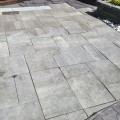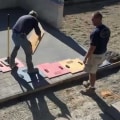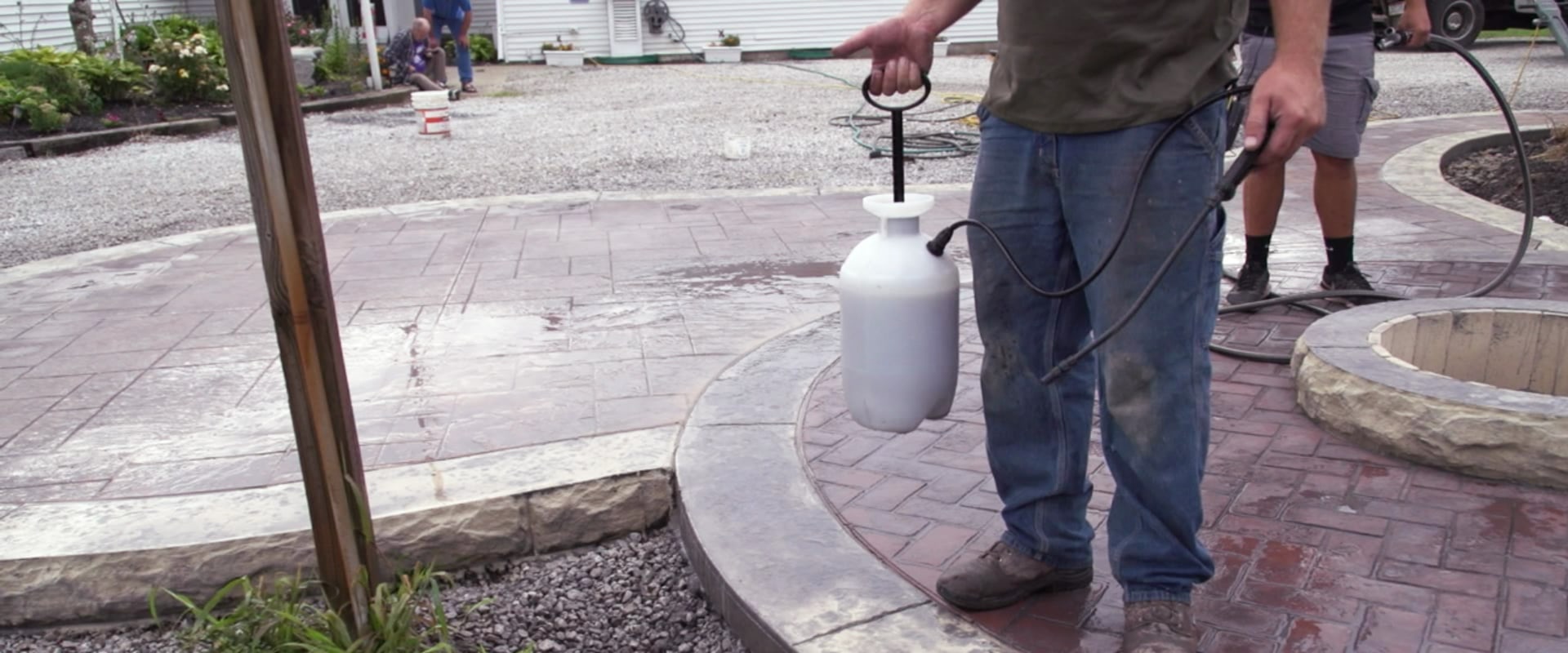
Stamped concrete is a versatile and aesthetically pleasing option for both residential and commercial properties. It involves pouring concrete and then imprinting it with patterns and textures that mimic natural materials such as stone, brick, or wood. This technique not only enhances the visual appeal of outdoor spaces but also provides a durable surface that can withstand the elements. In Greensboro, where the climate can vary from hot summers to chilly winters, stamped concrete offers a practical solution that combines beauty with functionality.The benefits of stamped concrete are numerous.
First and foremost, it allows homeowners and business owners to achieve the look of expensive materials without the hefty price tag. Stamped concrete is also highly customizable; with a wide range of colors, patterns, and finishes available, it can be tailored to fit any design aesthetic. Additionally, stamped concrete is relatively low-maintenance compared to other materials, making it an attractive option for those looking to minimize upkeep while maximizing curb appeal.In Greensboro, the use of stamped concrete has gained popularity due to its ability to blend seamlessly with the natural surroundings. Whether used for patios, walkways, driveways, or pool decks, stamped concrete can enhance the overall landscape while providing a durable surface that stands up to foot traffic and weather conditions.
Furthermore, its slip-resistant texture makes it a safe choice for outdoor areas where moisture may be present.Understanding the fundamentals of stamped concrete is essential for appreciating the importance of regular maintenance. Proper care not only preserves its beauty but also extends its lifespan, ensuring that your investment continues to pay off for years to come. As we delve deeper into this comprehensive guide on maintenance practices, you'll discover how to keep your Greensboro stamped concrete looking pristine and inviting.
The Importance of Regular Cleaning and Sealing
Maintaining the aesthetic appeal and structural integrity of Greensboro stamped concrete requires a commitment to regular cleaning and sealing. These practices are not merely optional; they are essential for ensuring that your concrete surfaces remain vibrant and durable over time.Protective Benefits Against Weathering
One of the primary reasons for regular cleaning and sealing is to protect your stamped concrete from the harsh effects of weather.
In Greensboro, where seasonal changes can be quite pronounced, exposure to rain, snow, and UV rays can lead to significant wear and tear. Water can seep into tiny cracks, freeze, and expand, causing further damage. A quality sealer acts as a barrier, preventing moisture infiltration and reducing the risk of cracking and spalling.
Stain Resistance
Another critical aspect of sealing is its ability to resist stains. Stamped concrete surfaces are often subjected to spills from food, beverages, or automotive fluids.
Without a protective seal, these substances can penetrate the surface, leading to unsightly stains that are difficult to remove. Regular sealing creates a protective layer that repels these substances, making it easier to clean up spills before they become permanent.
Enhanced Longevity
Regular maintenance through cleaning and sealing significantly extends the lifespan of your stamped concrete. By addressing minor issues before they escalate into major problems, you can avoid costly repairs or replacements down the line. A well-maintained surface not only looks better but also performs better under stress.
Aesthetic Appeal
Beyond protection, regular cleaning and sealing enhance the visual appeal of your stamped concrete.
Over time, dirt and grime can accumulate on the surface, dulling its appearance. A thorough cleaning removes this buildup, while a fresh coat of sealer revitalizes the colors and patterns inherent in stamped designs. This not only improves curb appeal but also increases property value.
Conclusion
In summary, the importance of regular cleaning and sealing for Greensboro stamped concrete cannot be overstated. These practices provide essential protection against weathering and staining while enhancing both longevity and aesthetic appeal.
By committing to a routine maintenance schedule, you ensure that your stamped concrete remains a beautiful and functional part of your property for years to come.
Best Practices for Cleaning Stamped Concrete
Maintaining the aesthetic appeal and durability of your Greensboro stamped concrete requires a systematic approach to cleaning. Regular cleaning not only enhances the appearance of your concrete but also extends its lifespan by preventing the buildup of dirt, grime, and stains. Below are some effective methods and best practices for cleaning stamped concrete surfaces.Recommended Cleaning Products
- Mild Detergents: Use a pH-neutral detergent specifically designed for concrete surfaces. Avoid harsh chemicals that can damage the sealer or the concrete itself.
- Specialty Cleaners: For stubborn stains, consider using a specialty cleaner formulated for stamped concrete.
These products are designed to penetrate and lift tough stains without harming the surface.
- Pressure Washers: A pressure washer can be an effective tool for deep cleaning, especially for larger areas. Ensure you use a low-pressure setting to avoid damaging the surface.
Effective Cleaning Techniques
- Regular Sweeping: Start by sweeping the surface with a broom to remove loose debris such as leaves, dirt, and dust. This prevents scratching during the cleaning process.
- Washing: Mix your chosen mild detergent with water in a bucket. Using a mop or soft-bristle brush, apply the solution to the surface.
Work in sections to ensure thorough coverage.
- Rinsing: After scrubbing, rinse the area with clean water to remove any soap residue. If using a pressure washer, maintain a distance of at least 12 inches from the surface to avoid damage.
- Stain Treatment: For specific stains like oil or rust, apply a targeted cleaner according to the manufacturer's instructions. Allow it to sit for the recommended time before rinsing.
Frequency of Cleaning
The frequency of cleaning your stamped concrete will depend on its location and usage. Generally, it is advisable to clean your surfaces at least twice a year.However, high-traffic areas or those exposed to harsh weather conditions may require more frequent attention. Regular inspections will help you determine when additional cleaning is necessary.By following these best practices for cleaning your Greensboro stamped concrete, you can maintain its beauty and functionality for years to come. Consistent care not only enhances its appearance but also protects your investment in this durable and attractive surface.
Sealing Your Stamped Concrete: A Step-by-Step Guide
Sealing your stamped concrete is a crucial step in maintaining its aesthetic appeal and durability. This process not only protects the surface from stains and weathering but also enhances its color and texture.Below is a detailed guide on how to effectively seal your stamped concrete.
Understanding the Types of Sealers
Before diving into the sealing process, it’s essential to understand the different types of sealers available for stamped concrete:- Acrylic Sealers: These are popular for their ease of application and quick drying time. They provide a glossy finish and are ideal for enhancing color.
- Epoxy Sealers: Known for their durability, epoxy sealers create a hard, protective layer that is resistant to chemicals and abrasions. They are suitable for high-traffic areas.
- Polyurethane Sealers: These offer excellent UV protection and are highly resistant to wear and tear. They can be used both indoors and outdoors.
- Penetrating Sealers: Unlike topical sealers, penetrating sealers soak into the concrete, providing protection from within.
They are less visible but effective against moisture and stains.
The Sealing Process
Follow these steps to ensure a successful sealing application:- Preparation: Start by cleaning the surface thoroughly. Remove any dirt, debris, or previous sealant using a pressure washer or a stiff broom. Allow the surface to dry completely before proceeding.
- Selecting the Right Sealer: Choose a sealer that matches your needs based on the type of finish you desire and the conditions your concrete will face.
- Application: Use a roller or sprayer to apply the sealer evenly across the surface. If using a roller, ensure it has a long nap to reach into the textured areas of the stamped concrete.
- Thin Layers: Apply multiple thin layers rather than one thick layer.
This helps prevent bubbling and ensures an even finish. Allow each layer to dry completely before applying the next one.
- Final Touches: After applying the final coat, inspect for any missed spots or uneven areas. Touch up as necessary to achieve a smooth, uniform appearance.
Tips for Achieving a Smooth Finish
- Work in Sections: To avoid overlapping marks, work in small sections at a time.
- Avoid Rainy Days: Ensure that you apply sealer on dry days when rain is not expected for at least 24 hours.
- Use Proper Ventilation: If sealing indoors, ensure good ventilation to help with drying times and reduce fumes.
Common Issues and Solutions in Stamped Concrete Maintenance
Maintaining Greensboro stamped concrete surfaces can be a rewarding endeavor, but it’s not without its challenges. Understanding the common issues that can arise and knowing how to address them is crucial for preserving the beauty and integrity of your concrete.Below are some frequent problems encountered with stamped concrete, along with effective solutions.
Cracking
One of the most prevalent issues with stamped concrete is cracking. This can occur due to various factors, including:- Temperature fluctuations: Extreme heat or cold can cause the concrete to expand and contract, leading to cracks.
- Improper installation: If the concrete was not mixed or poured correctly, it may be more susceptible to cracking.
- Heavy loads: Excessive weight from vehicles or heavy furniture can stress the surface.
Fading Color
Over time, exposure to sunlight and harsh weather can cause the vibrant colors of stamped concrete to fade.This is particularly common in areas with intense sun exposure.Solution: Regularly applying a high-quality sealer can help protect against UV rays and maintain color vibrancy. If fading has already occurred, consider using a concrete stain or dye to restore the original color before resealing.
Stains
Stains from oil, food, or other substances can mar the appearance of your stamped concrete. These stains can be particularly stubborn if not addressed promptly.Solution: For fresh stains, blot the area immediately with a clean cloth. For older stains, use a specialized concrete cleaner or a mixture of vinegar and water.Always rinse thoroughly after cleaning to prevent residue buildup.
Pitting and Scaling
Pitting refers to small holes or depressions on the surface of the concrete, while scaling involves flaking or peeling of the surface layer. Both issues can arise from freeze-thaw cycles or using de-icing salts in winter.Solution: To address pitting and scaling, you may need to resurface the affected area with a new layer of concrete overlay. Ensure proper sealing afterward to prevent future damage.By being proactive about these common issues and implementing timely solutions, you can significantly extend the life of your Greensboro stamped concrete. Regular inspections and maintenance will help you catch problems early and keep your surfaces looking their best.Seasonal Maintenance Tips for Greensboro Residents
Maintaining stamped concrete in Greensboro requires a keen understanding of how seasonal changes can impact the surface.The region experiences a variety of weather conditions throughout the year, including hot summers, mild winters, and occasional rain. Each season presents unique challenges and opportunities for care and maintenance.
Spring Care
As winter fades and spring arrives, it’s essential to inspect your stamped concrete for any damage that may have occurred during the colder months. Look for cracks or chips that may need repair. Here are some tips for spring maintenance:- Thorough Cleaning: Use a pressure washer to remove dirt, debris, and any leftover salt from winter treatments.
This will help prevent staining and ensure the surface is ready for sealing.
- Repair Damage: Fill in any cracks or chips with a concrete patching compound to prevent further deterioration.
- Seal the Surface: After cleaning and repairs, apply a high-quality sealer to protect against spring rains and UV rays.
Summer Maintenance
The hot summer months can be tough on stamped concrete surfaces. High temperatures can lead to fading and wear if not properly maintained. Consider these tips:- Regular Cleaning: Clean your stamped concrete every few weeks to remove dirt and grime that can accumulate during outdoor activities.
- Shade Considerations: If possible, provide shade for your stamped concrete areas to minimize sun exposure, which can cause fading.
- Monitor for Stains: Be vigilant about spills from barbecues or outdoor furniture; clean them immediately to prevent staining.
Fall Preparations
As leaves begin to fall, it’s crucial to prepare your stamped concrete for the upcoming winter. Here’s how:- Leaf Removal: Regularly remove leaves from your concrete surface to prevent staining and mold growth.
- Inspect for Damage: Check for any signs of wear or damage that may have developed over the summer.
- Seal Before Winter: Apply a fresh coat of sealer in late fall to protect against moisture and freezing temperatures.
Winter Care
The winter months in Greensboro can bring freezing temperatures and occasional snow, which can be particularly harsh on stamped concrete.To ensure your surface remains in good condition:
- Avoid De-icing Salts: Use sand or kitty litter instead of salt to prevent damage from chemical de-icers.
- Clearing Snow: Use a plastic shovel to clear snow off your stamped concrete; metal shovels can scratch the surface.
- Inspect Regularly: Keep an eye out for cracks or other damage that may worsen due to freeze-thaw cycles.
Frequently Asked Questions About Stamped Concrete Maintenance
Maintaining your Greensboro stamped concrete can raise several questions, especially for homeowners looking to preserve the beauty and longevity of their surfaces. Below are some frequently asked questions that can help clarify common concerns regarding stamped concrete maintenance.How often should I clean my stamped concrete?
It is recommended to clean your stamped concrete surfaces at least twice a year. However, if your area experiences heavy rainfall, snow, or high foot traffic, you may want to increase the frequency to quarterly cleanings. Regular cleaning helps remove dirt, debris, and stains that can accumulate over time.What is the best way to clean stamped concrete?
The best method for cleaning stamped concrete involves using a mild detergent mixed with water.For more stubborn stains, a pressure washer can be effective, but be cautious with the pressure settings to avoid damaging the surface. Always rinse thoroughly after cleaning to remove any soap residue.
How often should I seal my stamped concrete?
The frequency of sealing depends on the type of sealer used and the level of exposure your concrete faces. Generally, it is advisable to reseal every 2 to 5 years. If you notice signs of wear or fading in color, it may be time to apply a new layer of sealer.Can I use regular household cleaners on my stamped concrete?
Avoid using harsh chemicals or abrasive cleaners on your stamped concrete as they can damage the surface and affect the finish.Stick to pH-neutral cleaners specifically designed for concrete surfaces.
What should I do if my stamped concrete gets stained?
If you encounter stains on your stamped concrete, act quickly. For oil-based stains, use a degreaser or a specialized stain remover. For organic stains like leaves or food, a mixture of water and vinegar can be effective. Always test any cleaner on a small area first to ensure it does not harm the finish.Is it necessary to seal stamped concrete?
Yes, sealing is crucial for protecting your Greensboro stamped concrete.A good sealer acts as a barrier against moisture, UV rays, and stains while enhancing the color and finish of the surface. Without sealing, your concrete may become porous and susceptible to damage.By addressing these common questions about stamped concrete maintenance, homeowners can better understand how to care for their surfaces effectively. Regular maintenance not only preserves aesthetics but also extends the lifespan of your investment.
Conclusion: Ensuring Longevity and Beauty of Your Stamped Concrete
In conclusion, maintaining the beauty and durability of your Greensboro stamped concrete requires a commitment to regular cleaning and sealing. By adhering to the practices outlined in this guide, you can significantly extend the lifespan of your concrete surfaces while preserving their aesthetic appeal.Regular maintenance not only enhances the visual charm of your stamped concrete but also protects it from potential damage caused by environmental factors such as moisture, UV rays, and temperature fluctuations.Here are some key takeaways to ensure your stamped concrete remains in excellent condition:
- Consistent Cleaning: Establish a routine cleaning schedule to remove dirt, debris, and stains. Using a mild detergent or pressure washer can effectively maintain the surface without causing harm.
- Proper Sealing: Choose a high-quality sealer that is compatible with your specific stamped concrete. Apply it in thin layers, allowing each layer to dry completely before adding another. This will create a protective barrier against wear and tear.
- Regular Inspections: Frequently check for signs of damage or wear.
Early detection of issues allows for timely repairs, preventing more extensive damage down the line.
- Seasonal Care: Adjust your maintenance routine according to seasonal changes. For instance, during winter months, ensure that ice-melting products are safe for use on your stamped concrete to avoid surface degradation.