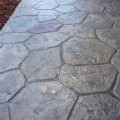
Stamped concrete is a versatile and visually appealing option for enhancing both residential and commercial spaces. This innovative technique involves imprinting patterns and textures onto freshly poured concrete, allowing for a wide range of designs that can mimic natural materials such as stone, brick, or wood. The result is a stunning surface that not only elevates the aesthetic of any area but also provides durability and low maintenance. In Greensboro, where outdoor living spaces are cherished, stamped concrete has gained immense popularity for patios, walkways, and driveways.The benefits of stamped concrete extend beyond its visual appeal.
One of the primary advantages is its cost-effectiveness compared to traditional materials. While natural stone or pavers can be expensive and labor-intensive to install, stamped concrete offers a similar look at a fraction of the cost. Additionally, it is highly customizable; homeowners can choose from an array of colors, patterns, and finishes to create a unique look that complements their property. Furthermore, stamped concrete is known for its durability and resistance to weather elements, making it an ideal choice for the varying climate conditions in Greensboro.As more residents in Greensboro seek to enhance their outdoor spaces, the demand for Greensboro stamped concrete continues to rise.
This trend reflects a growing appreciation for functional yet beautiful designs that can withstand the test of time. Whether you are looking to create an inviting patio for entertaining guests or a stylish driveway that enhances curb appeal, understanding the fundamentals of stamped concrete will empower you to make informed decisions about your installation process.
Preparing for Stamped Concrete Installation
Before diving into the exciting world of Greensboro stamped concrete, it is crucial to lay a solid foundation through proper preparation. This phase not only sets the stage for a successful stamping process but also ensures that the final product is durable and visually appealing. Here’s a comprehensive guide on how to prepare for your stamped concrete installation.Gathering Tools and Materials
- Stamps: Choose high-quality stamps that are specifically designed for concrete.
These can range from simple patterns to intricate designs, depending on your aesthetic preference.
- Release Agent: This is a crucial component that prevents the stamps from sticking to the concrete. It comes in powder or liquid form and should be applied generously.
- Sealant: After the stamping process, applying a sealant will protect your work from weathering and wear. Look for a sealant that is compatible with stamped concrete.
- Trowel: A trowel is essential for smoothing out the concrete surface before stamping. A magnesium trowel is often recommended for achieving a fine finish.
- Edging Tool: This tool helps create clean edges around your stamped areas, ensuring a professional look.
- Protective Gear: Don’t forget to wear gloves, goggles, and a mask when handling chemicals like release agents and sealants.
Preparing the Concrete Surface
The success of your stamped concrete project heavily relies on how well you prepare the surface.
Follow these steps to ensure optimal results:
- Clean the Area: Remove any debris, dirt, or old coatings from the concrete surface. A pressure washer can be very effective in achieving a clean slate.
- Smooth the Surface: Use your trowel to smooth out any imperfections in the concrete. This step is vital as it ensures that the stamps will adhere properly and create an even pattern.
- Check for Moisture: Ensure that the concrete is dry before applying any release agent or stamps. Excess moisture can lead to poor adhesion and affect the overall quality of your stamped design.
Proper preparation not only enhances the aesthetic appeal but also extends the lifespan of your installation, making it a worthwhile investment for any property owner in Greensboro.
Choosing the Right Stamps for Your Project
When it comes to Greensboro stamped concrete, selecting the right stamps is crucial for achieving the desired aesthetic and functionality of your project. The variety of stamps available can cater to different design preferences, textures, and patterns, making it essential to understand the options before making a decision.Types of Stamps for Concrete
There are several types of stamps that you can choose from, each offering unique characteristics:- Textured Stamps: These stamps create a surface that mimics natural materials like stone, brick, or wood. They are ideal for homeowners looking to enhance their outdoor spaces with a natural look.
- Patterned Stamps: Available in various designs, patterned stamps can add intricate details to your concrete. Options include geometric shapes, floral designs, and more, allowing for creative expression.
- Custom Stamps: For those seeking a unique touch, custom stamps can be made to feature specific logos or designs.
This option is perfect for businesses wanting to brand their concrete surfaces.
- Release Agent Stamps: These stamps are designed to work in conjunction with a release agent, which prevents sticking and allows for easier removal after stamping. They often come in various textures and patterns.
Best Stamps for Stamped Concrete
The best stamps for your project will depend on several factors:- Durability: Look for high-quality materials that can withstand the pressure of stamping and the elements over time.
- Ease of Use: If you are a DIY enthusiast, consider stamps that are user-friendly and easy to handle.
- Aesthetic Appeal: Choose stamps that align with your design vision. Whether you prefer a rustic look or a modern finish, there are options available to suit your taste.
Choosing Stamps for Your Project
When selecting stamps for your stamped concrete project in Greensboro, consider the following:- Assess Your Space: Evaluate the area where the stamped concrete will be installed. Consider factors such as size, surrounding landscaping, and existing structures.
- Define Your Style: Determine the overall style you want to achieve.
Are you aiming for a classic look or something more contemporary? This will guide your stamp selection.
- Consult Professionals: If you're unsure about which stamps to choose, consult with local contractors or suppliers who specialize in Greensboro stamped concrete. They can provide valuable insights based on their experience.
The Step-by-Step Process of Applying Stamps
Applying stamps to freshly poured concrete is a meticulous process that can yield stunning results when done correctly. Below is a detailed step-by-step guide to help you navigate through the stamping process effectively.- Prepare Your Workspace: Before you begin, ensure that your workspace is clean and free of debris.
Gather all necessary tools and materials, including stamps, release agent, trowel, edging tool, and sealant. Having everything on hand will streamline the process.
- Mix and Pour the Concrete: Start by mixing your concrete according to the manufacturer's instructions. Once mixed, pour the concrete into the designated area. Use a screed to level the surface, ensuring it is smooth and even.
- Allow Initial Set: Let the concrete set for a short period until it reaches a workable consistency.
This usually takes about 30 minutes to an hour, depending on weather conditions. The surface should be firm enough to walk on but still pliable for stamping.
- Apply Release Agent: Once the concrete has set, apply a release agent evenly across the surface. This agent acts as a barrier between the concrete and the stamps, preventing them from sticking. Use a sprayer or roller for even distribution, ensuring that all areas are covered.
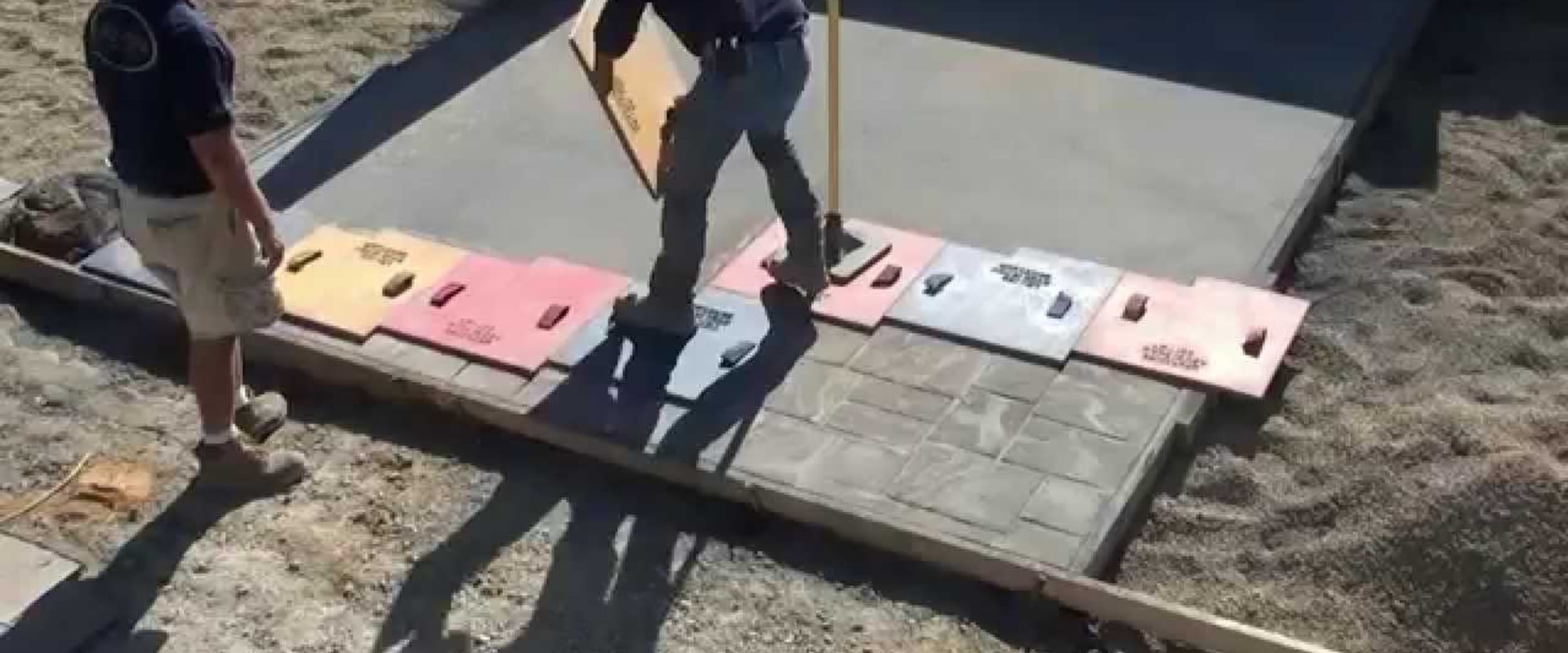
- Position the Stamps: Begin placing your stamps onto the concrete.
Start at one corner and work your way across the area. Align the stamps carefully to maintain a consistent pattern. Press down firmly on each stamp to ensure good contact with the concrete.
- Press and Adjust: As you apply each stamp, use your body weight to press down evenly. If necessary, adjust the stamps slightly to ensure they fit together seamlessly without gaps.
This step is crucial for achieving an even finish.
- Use an Edging Tool: After stamping, take an edging tool and run it along the edges of each stamp. This will help create clean lines and smooth transitions between stamped areas and surrounding concrete surfaces.
- Allow to Cure: Once you have completed stamping, allow the concrete to cure fully. This may take several days depending on environmental conditions. Avoid walking on or disturbing the surface during this time.
- Seal the Surface: After curing, apply a high-quality sealant to protect your stamped concrete from wear and tear.
This step enhances durability and maintains the appearance of your design over time.
Best Practices for Successful Stamping
When it comes to achieving a stunning finish with Greensboro stamped concrete, understanding the best practices for stamping is crucial. By following these guidelines, you can avoid common mistakes and ensure a high-quality installation that enhances the beauty of your concrete surfaces.Preparation is Key
Before you even think about applying stamps, proper preparation of the concrete surface is essential. This includes:- Cleaning the Surface: Remove any debris, dirt, or oil from the concrete.
A clean surface allows for better adhesion and a more uniform finish.
- Smoothing the Concrete: Use a trowel to smooth out any imperfections. This step is vital as it ensures that the stamps will lay flat and create an even pattern.
- Timing: Ensure that the concrete is at the right consistency before stamping. If it’s too wet, the stamps may sink; if it’s too dry, they won’t leave a proper impression.
Choosing Quality Materials
The materials you use can significantly impact the final result. Here are some tips:- Select High-Quality Stamps: Invest in durable, high-quality stamps designed specifically for concrete.
This will not only improve the appearance but also enhance longevity.
- Use Appropriate Release Agents: A good release agent prevents sticking and allows for easier removal of stamps. Choose a product that complements your chosen stamp design.
Avoiding Common Mistakes
Even experienced installers can make mistakes during the stamping process. Here are some pitfalls to avoid:- Rushing the Process: Take your time when applying stamps. Rushing can lead to uneven patterns and poor impressions.
- Ignoring Weather Conditions: Extreme temperatures can affect how concrete sets.
Avoid stamping in direct sunlight or during rain to ensure optimal results.
- Neglecting Edging: Use an edging tool to define the borders of your stamped area. This creates a clean transition between stamped and non-stamped surfaces.
Curing and Sealing Stamped Concrete
After the application of stamps to your Greensboro stamped concrete, the next crucial steps are curing and sealing. These processes are essential for ensuring the longevity and durability of your stamped surfaces, protecting them from environmental factors and wear over time.Curing Stamped Concrete
Curing is the process of maintaining adequate moisture, temperature, and time to allow the concrete to achieve its desired strength and durability.Proper curing is vital for stamped concrete because it helps prevent cracking and surface damage. Here are some key points to consider:
- Timing: Begin curing as soon as the concrete has set enough to support weight, typically within 24 hours after pouring.
- Methods: There are several methods for curing concrete, including:
- Water Curing: Keeping the surface moist by spraying water or covering it with wet burlap.
- Curing Compounds: Applying a curing compound that forms a film on the surface to retain moisture.
- Duration: Continue curing for at least 7 days to ensure optimal strength development.
Sealing Stamped Concrete
Once the curing process is complete, sealing your stamped concrete is the next step. Sealing provides a protective layer that enhances the appearance of the concrete while safeguarding it from stains, moisture, and UV damage. Here’s what you need to know about sealing:- Choosing a Sealant: Select a high-quality sealant specifically designed for stamped concrete.
Options include:
- Acrylic Sealers: Provide a glossy finish and are easy to apply.
- Epoxy Sealers: Offer superior durability and chemical resistance.
- Paver Sealers: Ideal for outdoor applications, providing excellent protection against weather elements.
- Application: Apply sealant using a roller or sprayer, ensuring even coverage. Avoid over-application, which can lead to a cloudy appearance.
- Maintenance: Regularly inspect your sealed surfaces and reapply sealant every 1-3 years, depending on traffic and exposure conditions.
Maintaining Your Stamped Concrete Surface
Maintaining your stamped concrete surface is essential to ensure it remains vibrant and visually appealing over time. With proper care, your Greensboro stamped concrete can withstand the elements and retain its beauty for many years.Here are some effective maintenance tips to help you preserve the appearance of your stamped concrete.
Regular Cleaning
One of the most important aspects of maintaining stamped concrete is regular cleaning. Dirt, debris, and stains can accumulate on the surface, dulling its appearance. To keep your stamped concrete looking fresh:- Use a broom or leaf blower: Regularly sweep or blow away leaves, dirt, and other debris to prevent them from settling into the surface.
- Wash with water: Periodically wash the surface with a hose or pressure washer to remove any stubborn dirt or grime. Be cautious with pressure settings to avoid damaging the concrete.
- Use mild detergents: For tougher stains, use a mild detergent mixed with water.
Scrub the area gently with a soft-bristle brush, then rinse thoroughly.
Sealing Your Stamped Concrete
Applying a sealant is crucial for protecting your stamped concrete from moisture, stains, and UV damage. A good sealant will enhance the color and provide a barrier against wear:- Choose the right sealant: Select a high-quality sealant specifically designed for stamped concrete. There are both water-based and solvent-based options available.
- Reapply regularly: Depending on foot traffic and weather conditions, reapply sealant every 1-3 years to maintain protection and appearance.
- Follow application instructions: Ensure you follow the manufacturer's guidelines for application to achieve optimal results.
Avoiding Damage
To keep your stamped concrete in top condition, it’s important to avoid actions that could cause damage:- Avoid harsh chemicals: Steer clear of abrasive cleaners or harsh chemicals that can erode the surface or discolor the finish.
- Limit heavy loads: Avoid placing heavy objects on your stamped concrete, as this can lead to cracking or chipping.
- Clear snow carefully: If you live in an area with snow, use a plastic shovel instead of metal to prevent scratching the surface when clearing snow.
Frequently Asked Questions about Stamped Concrete in Greensboro
When considering a Greensboro stamped concrete installation, many homeowners have questions about the process, maintenance, and overall benefits.Below are some frequently asked questions that can help clarify common concerns.
What is stamped concrete?
Stamped concrete is a decorative technique that involves imprinting patterns and textures onto freshly poured concrete. This method allows for a variety of designs that can mimic natural materials such as stone, brick, or tile, enhancing the aesthetic appeal of patios, driveways, and walkways.How long does the stamping process take?
The duration of the stamping process can vary based on the size of the area being worked on and the complexity of the design. Generally, a typical residential project can take anywhere from one to three days to complete. This includes preparation, pouring, stamping, and curing time.Is stamped concrete suitable for Greensboro's climate?
Yes, stamped concrete is well-suited for Greensboro's climate.The material is durable and can withstand varying weather conditions. However, it is essential to apply a high-quality sealant to protect against moisture and UV damage, especially during the hot summer months.
How do I maintain my stamped concrete?
Maintaining stamped concrete involves regular cleaning and periodic resealing. Here are some tips:- Regular Cleaning: Sweep away debris and wash the surface with a mild detergent and water.
- Avoid Harsh Chemicals: Do not use acidic cleaners as they can damage the surface.
- Resealing: It is recommended to reseal your stamped concrete every 2-3 years to maintain its appearance and protect it from wear.
Can I install stamped concrete myself?
While it is possible for DIY enthusiasts to install stamped concrete, it requires careful planning and execution. The process involves precise timing when applying stamps and ensuring proper curing.For best results, hiring a professional experienced in Greensboro stamped concrete installations is advisable.
What are the costs associated with stamped concrete?
The cost of stamped concrete can vary based on several factors including design complexity, area size, and local labor rates. On average, homeowners in Greensboro can expect to pay between $8 to $15 per square foot for installation. It’s wise to obtain multiple quotes from contractors to ensure competitive pricing.If you have more specific questions or need further information about your project, consulting with a local expert in stamped concrete can provide tailored advice and solutions.Conclusion: Elevate Your Space with Stamped Concrete
In conclusion, Greensboro stamped concrete offers a versatile and visually appealing solution for enhancing both residential and commercial spaces. The process of applying stamps to concrete not only elevates the aesthetic value of your surfaces but also provides a durable finish that can withstand the test of time.Throughout this article, we have explored the essential steps involved in the stamping process, from preparation to application and sealing.Each step is crucial in ensuring that the final product meets your expectations and stands up to daily wear and tear. By using high-quality materials and following best practices, you can achieve stunning results that mimic natural stone, brick, or tile.Moreover, the benefits of stamped concrete extend beyond mere appearance. Here are some key advantages:
- Cost-Effectiveness: Compared to traditional paving materials, stamped concrete is often more affordable while providing a similar look.
- Low Maintenance: Once sealed, stamped concrete requires minimal upkeep, making it an ideal choice for busy homeowners and property managers.
- Customization: With a wide variety of colors, patterns, and textures available, stamped concrete can be tailored to fit any design vision.
- Durability: Stamped concrete is designed to withstand heavy foot traffic and harsh weather conditions, ensuring longevity.
With careful planning and execution, you can create a space that not only meets your needs but also impresses guests and potential buyers alike. Embrace the possibilities that Greensboro stamped concrete offers and elevate your space today!.