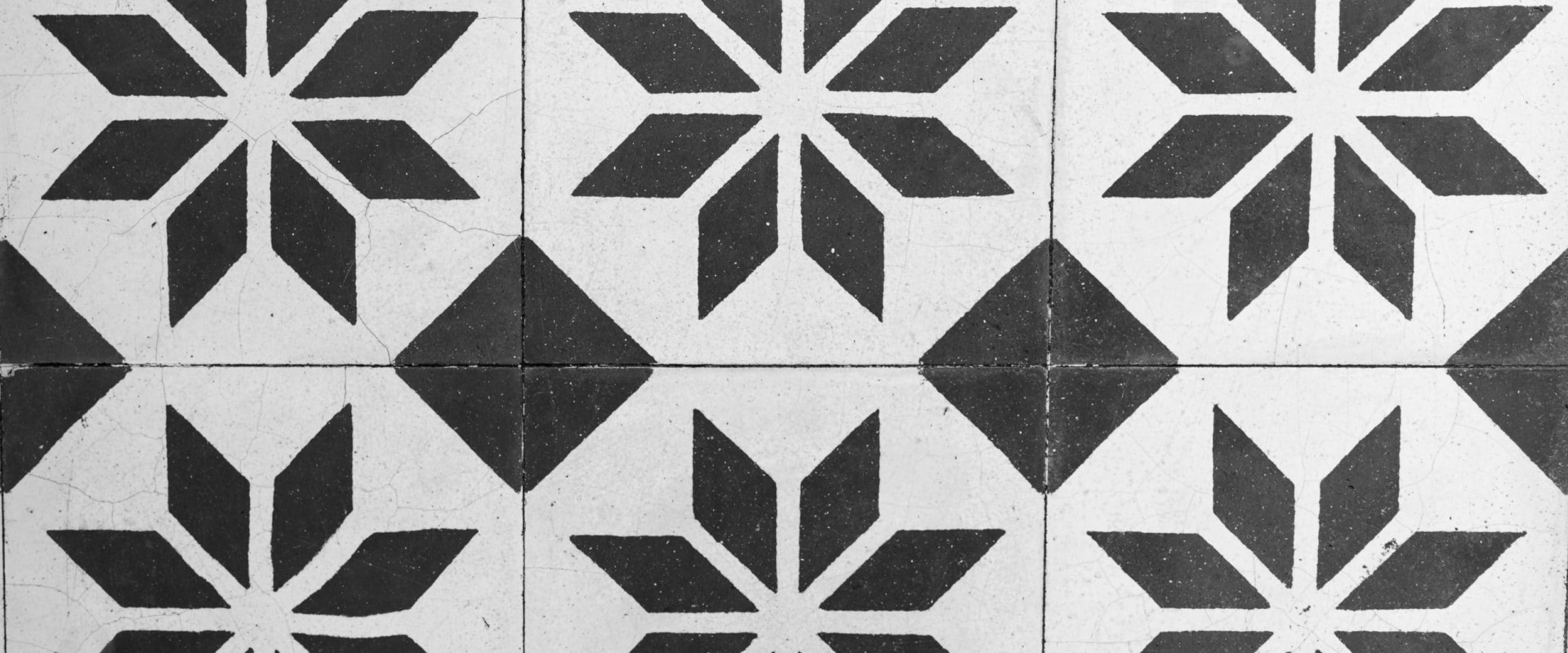
Tile is a remarkable material that has stood the test of time, serving as a cornerstone in both residential and commercial design. Its versatility allows it to be used in a myriad of applications, from flooring and backsplashes to accent walls and outdoor patios. As homeowners and designers seek to create unique spaces that reflect personal style and functionality, understanding the different types of tile and their potential patterns becomes essential. This knowledge not only enhances aesthetic appeal but also contributes to the durability and maintenance of the surfaces.When considering tile, one must first explore the various types available.
Options range from traditional ceramic and porcelain tiles to more contemporary materials like glass and natural stone. Each type offers distinct characteristics; for instance, ceramic tiles are celebrated for their affordability and ease of installation, while porcelain tiles are favored for their strength and moisture resistance. Additionally, stamped concrete , particularly popular in areas like Greensboro, provides an alternative that mimics the look of tile while offering unique textures and patterns.The patterns created with tile can dramatically influence the overall ambiance of a space. Classic designs such as herringbone or checkerboard can evoke a sense of timeless elegance, while modern geometric patterns can introduce a bold statement.
Understanding how to mix and match these patterns effectively can elevate a design from ordinary to extraordinary. Moreover, proper installation techniques are crucial to ensure longevity and performance, making it imperative for both DIY enthusiasts and professionals to be well-versed in best practices.As we delve deeper into the world of tile, we will uncover the nuances of each type, explore various patterns that can be achieved, and provide insights into installation techniques that will help you create stunning spaces. Whether you are renovating your home or designing a new commercial space, mastering the art of tile selection and application will empower you to transform any area into a work of art.
Understanding Different Types of Tile
When it comes to selecting the right tile for your project, understanding the different types available is essential. Each type of tile offers unique characteristics, benefits, and ideal applications.Here’s a closer look at some of the most popular types of tile: ceramic, porcelain, glass, and stone.
Ceramic Tile
Ceramic tile
is one of the most widely used types of tile due to its affordability and versatility. Made from natural clay and other raw materials, ceramic tiles are fired at high temperatures to create a durable surface. They come in a variety of colors, patterns, and finishes, making them suitable for various design styles.
- Durability: Ceramic tiles are resistant to scratches and stains, making them ideal for high-traffic areas.
- Ease of Maintenance: They are easy to clean and require minimal upkeep.
- Cost-Effective: Generally more affordable than other tile options, ceramic tiles offer great value for budget-conscious projects.
Porcelain Tile
Porcelain tile
is a subtype of ceramic tile but is denser and more durable. It is made from finer clay and fired at higher temperatures, resulting in a less porous surface that is highly resistant to moisture.
This makes porcelain an excellent choice for both indoor and outdoor applications.
- Water Resistance: Porcelain tiles are ideal for wet areas such as bathrooms and kitchens.
- Variety of Styles: Available in numerous designs, including those that mimic natural stone or wood.
- Longevity: With proper care, porcelain tiles can last for decades without losing their aesthetic appeal.
Glass Tile
Glass tile
is known for its stunning visual appeal and versatility. Often used as accents or in mosaics, glass tiles can reflect light beautifully, adding depth and dimension to any space. They are available in a wide range of colors and finishes.
- Aesthetic Appeal: Glass tiles can create striking designs that enhance the overall look of a room.
- Stain Resistance: Their non-porous surface makes them resistant to stains and easy to clean.
- Light Reflection: Glass tiles can help brighten up spaces by reflecting light effectively.
Stone Tile
Stone tile
, which includes materials like granite, marble, slate, and travertine, offers a natural beauty that is hard to replicate. Each piece is unique due to the natural variations in color and texture found in stone.
- Natural Beauty: Stone tiles provide an organic look that can add elegance to any space.
- Durability: Many stone tiles are incredibly durable and can withstand heavy foot traffic.
- Variety: Available in various finishes such as polished or honed, allowing for customization based on design preferences.
By understanding the unique characteristics of each type of tile, you can make an informed decision that enhances your space beautifully.
Exploring Tile Patterns
When it comes to tile design, the patterns you choose can significantly influence the overall aesthetic of a space. From classic styles to contemporary designs, tile patterns offer a myriad of options to enhance your home or business. Understanding these patterns not only helps in visualizing your space but also allows you to express your personal style.Traditional Patterns
Among the most beloved traditional tile patterns are the herringbone and chevron designs. Both patterns create a sense of movement and sophistication, making them ideal for various settings.- Herringbone Pattern: This pattern is characterized by rectangular tiles arranged in a zigzag formation, resembling the bones of a fish.
The herringbone layout can be used on floors and walls alike, providing a timeless elegance that works well in both modern and traditional interiors. It’s particularly effective in larger spaces where the pattern can be appreciated fully.
- Chelvron Pattern: Similar to herringbone, the chevron pattern features tiles arranged in a V-shape. However, unlike herringbone, the tiles are cut at an angle to create continuous zigzag lines. This dynamic pattern adds energy to a room and is often used in entryways or as a statement wall.
Modern Designs
In addition to traditional patterns, modern designs have emerged that push the boundaries of tile aesthetics.Geometric patterns , for instance, utilize shapes like hexagons, triangles, and squares to create visually striking arrangements. These patterns can be bold and colorful or subtle and monochromatic, depending on your design goals.
- Geometric Shapes: Tiles arranged in geometric patterns can transform a simple floor into an artistic masterpiece. They work particularly well in contemporary spaces where clean lines and innovative designs are celebrated.
- Mosaics: Mosaics involve using small pieces of tile to create intricate designs or images. This technique allows for endless creativity and personalization, making it perfect for backsplashes, shower walls, or even outdoor patios.
Consider how each pattern interacts with light and space, as well as how it complements your existing décor. Whether you opt for the classic charm of herringbone or the bold statements of geometric designs, tile patterns can significantly enhance the beauty and functionality of any area.
The Benefits of Using Tile in Design
When it comes to designing both residential and commercial spaces, tile stands out as a premier choice due to its numerous advantages. From its remarkable durability to its aesthetic appeal, tile offers a range of benefits that make it an ideal material for various applications.Durability
is one of the most significant advantages of using tile. Unlike other flooring materials, tiles are resistant to scratches, stains, and moisture, making them perfect for high-traffic areas such as kitchens, bathrooms, and entryways.
For instance, porcelain tiles are particularly known for their strength and can withstand heavy loads without cracking. This durability ensures that tile can maintain its appearance and functionality for many years, reducing the need for frequent replacements.In addition to durability, tile is also incredibly easy to maintain. Regular cleaning typically involves just sweeping or mopping with mild detergent. Unlike carpets that can trap dust and allergens, tiles do not harbor bacteria or allergens, making them a healthier choice for indoor environments.
Furthermore, many modern tiles come with stain-resistant finishes that enhance their longevity and ease of care.The aesthetic appeal of tile cannot be overstated. Available in a vast array of colors, patterns, and textures, tiles can complement any design style—from traditional to contemporary. Whether you opt for classic ceramic tiles or luxurious natural stone options, the visual impact of tile can transform a space dramatically. For example, using large-format tiles can create a seamless look in open areas, while intricate mosaic designs can serve as stunning focal points.Moreover, tile is highly versatile.
It can be used in various applications beyond flooring; think backsplashes in kitchens, accent walls in living rooms, or even outdoor patios. This versatility allows homeowners and designers to unleash their creativity and customize spaces according to personal preferences.In summary, the benefits of using tile in design are manifold. Its durability ensures long-lasting performance; its ease of maintenance promotes a healthier living environment; its aesthetic appeal enhances the beauty of any space; and its versatility allows for creative expression across different applications. These factors make tile an excellent choice for anyone looking to elevate their interior or exterior design projects.
Tips for Installing Tile Effectively
Installing tile can be a rewarding DIY project, but it requires careful planning and execution to achieve a professional finish.Here are some essential tips to help you install tile effectively, whether you're a seasoned DIYer or a first-timer.
Essential Tools and Materials
Before you begin your tile installation, gather the necessary tools and materials to ensure a smooth process. Here’s a list of what you’ll need:- Tile Cutter: A manual or electric tile cutter will help you make precise cuts.
- Trowel: A notched trowel is essential for spreading adhesive evenly on the surface.
- Tile Spacers: These small plastic pieces help maintain consistent gaps between tiles for grout.
- Grout Float: This tool is used to apply grout into the spaces between tiles.
- Level: A level ensures that your tiles are laid evenly, preventing any lippage.
- Measuring Tape: Accurate measurements are crucial for cutting tiles correctly.
- Safety Gear: Don’t forget safety glasses and gloves to protect yourself during installation.
Avoiding Common Mistakes
Even experienced installers can make mistakes. Here are some common pitfalls to avoid:- Skipping Surface Preparation: Ensure the surface is clean, dry, and level before laying tiles. Any imperfections can lead to uneven tiles or cracking.
- Poor Adhesive Application: Apply the adhesive evenly with your trowel, ensuring full coverage on the back of each tile.
This prevents air pockets that can weaken the bond.
- Ignoring Layout Planning: Take time to plan your tile layout before starting. Dry-lay tiles in the desired pattern to visualize how they will fit together and make adjustments as needed.
- Neglecting Grout Sealing: After grouting, seal the grout lines to protect against moisture and staining. This step is crucial for maintaining the longevity of your tile installation.
Incorporating Stamped Concrete with Tile Designs
When it comes to enhancing outdoor spaces or creating unique flooring solutions, stamped concrete and tile designs can work harmoniously together.The aesthetic synergy between these two materials allows homeowners and designers to achieve a cohesive look that is both functional and visually appealing.
Understanding Stamped Concrete
Stamped concrete is a versatile material that mimics the appearance of natural stone, brick, or even wood. It is created by pouring concrete and then using molds to imprint patterns and textures onto the surface before it sets. This technique not only adds visual interest but also provides a durable surface that can withstand the elements, making it an excellent choice for patios, walkways, and driveways.
Combining Tile with Stamped Concrete
Integrating tile with stamped concrete can elevate the design of any space. For instance, using stamped concrete as a base for outdoor patios allows for the addition of decorative tile accents.
These tiles can be used to create borders, pathways, or even focal points within the stamped area. The contrast between the smooth finish of tile and the textured surface of stamped concrete can create a stunning visual effect.
Examples of Synergistic Designs
- Outdoor Patios: A stamped concrete patio can be enhanced with colorful ceramic tiles arranged in a geometric pattern around the edges. This not only defines the space but also adds a splash of color.
- Walkways: Incorporating tile insets within a stamped concrete walkway can guide guests through your garden or yard while providing a unique design element.
- Pool Areas: Using stamped concrete for pool decks paired with slip-resistant tiles around the pool's edge ensures safety while maintaining an elegant look.
Benefits of Combining Materials
The combination of Greensboro stamped concrete and tile offers several advantages:
- Diverse Aesthetics: The variety of colors and patterns available in both materials allows for endless design possibilities.
- Durability: Both stamped concrete and high-quality tiles are built to last, making them ideal for high-traffic areas.
- Easy Maintenance: Stamped concrete requires minimal upkeep, while tiles can be easily cleaned, ensuring your outdoor spaces remain beautiful over time.
Frequently Asked Questions About Tile
When considering tile for your home or business, you may have several questions regarding its installation, maintenance, and overall suitability.Below are some of the most frequently asked questions about tile that can help guide your decision-making process.
What types of tile are best for different areas?
Choosing the right type of tile depends on the area where it will be installed. For example:- Ceramic Tile: Ideal for walls and light-traffic areas due to its durability and ease of maintenance.
- Porcelain Tile: Best for high-traffic areas and outdoor spaces because of its strength and moisture resistance.
- Glass Tile: Often used in backsplashes and decorative accents, adding a touch of elegance and color.
- Natural Stone Tile: Perfect for creating a luxurious look, but requires more maintenance to prevent staining.
How do I properly maintain my tile?
Maintaining tile is relatively straightforward. Here are some tips to keep your tiles looking their best:- Regular Cleaning: Sweep or vacuum regularly to remove dirt and debris. Use a damp mop with a mild detergent for deeper cleaning.
- Avoid Harsh Chemicals: Steer clear of abrasive cleaners that can scratch or damage the surface of the tiles.
- Seal Grout Lines: Apply a grout sealer every 6-12 months to prevent staining and moisture infiltration.
Can I install tile myself?
While it is possible to install tile yourself, it requires careful planning and the right tools.If you are experienced with DIY projects, you may find it manageable. However, hiring a professional can ensure a flawless finish, especially in complex patterns or large areas.
What should I consider before choosing a tile pattern?
Before selecting a tile pattern, consider the following factors:- Room Size: Larger patterns can make small rooms feel cramped, while smaller tiles can create an illusion of space.
- Color Scheme: Ensure that the colors of your tiles complement your existing décor.
- Functionality: Consider how the pattern will affect the room's functionality; for example, intricate patterns may require more maintenance.
Conclusion: The Versatility of Tile in Design
In conclusion, the world of tile offers an incredible array of options that can transform any space into a work of art. From the classic appeal of ceramic tiles to the modern sophistication of porcelain and the unique charm of glass and stone, each type of tile brings its own set of benefits and aesthetic qualities. The versatility of tile is not just limited to its material; it extends to the myriad patterns that can be created, allowing homeowners and designers alike to express their creativity.As we explored throughout this article, patterns such as herringbone, chevron, and checkerboard can add depth and character to a room.These designs can serve as focal points or subtle enhancements, depending on how they are implemented. Moreover, the rise of geometric shapes and color blocking has opened new avenues for modern design, enabling individuals to craft spaces that reflect their personal style.When considering tile for your next project, it’s essential to think about not only the aesthetic appeal but also the practical aspects such as durability and maintenance. For instance, porcelain tiles are renowned for their strength and moisture resistance, making them ideal for high-traffic areas or wet environments. On the other hand, ceramic tiles offer ease of installation and a wide range of colors and finishes.Ultimately, the choice of tile and pattern should align with your vision for the space.
Whether you aim for a timeless look or a contemporary vibe, there is a tile solution that can meet your needs. As you embark on your design journey, don’t hesitate to experiment with different combinations and layouts. The right tile can elevate your home or business, creating an inviting atmosphere that resonates with both functionality and style.In summary, tile is not merely a flooring or wall covering; it is a versatile design element that can enhance any environment. By exploring various types and patterns, you can unlock endless possibilities for creating stunning spaces that reflect your unique taste.