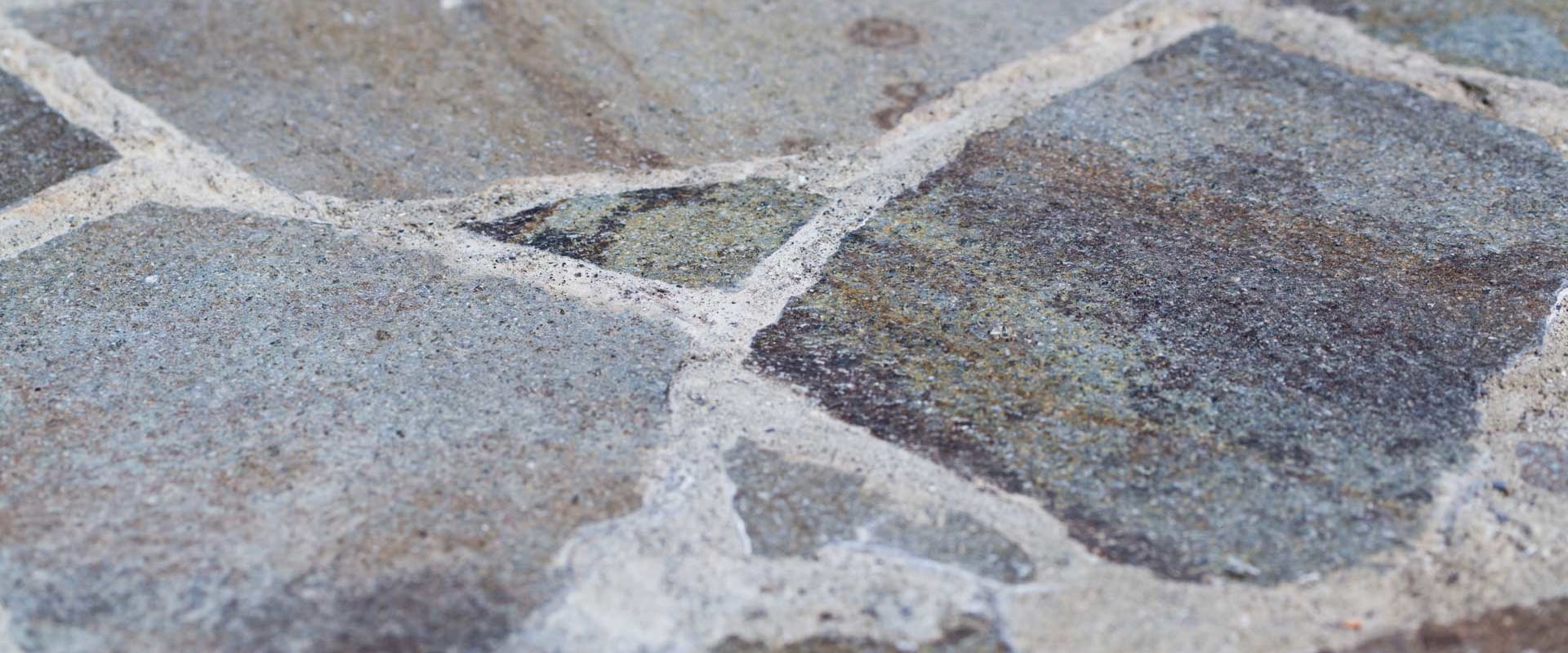
Flagstone is a captivating natural stone that has gained popularity in landscaping and construction due to its unique aesthetic appeal and practical benefits. Composed primarily of sedimentary rocks, flagstone is characterized by its flat, irregular shapes and a variety of colors, ranging from earthy browns and grays to vibrant reds and blues. This versatility allows it to blend seamlessly into various outdoor environments, making it an ideal choice for homeowners and designers looking to enhance their outdoor spaces.One of the standout features of flagstone is its durability. Unlike many other materials used in landscaping, flagstone can withstand harsh weather conditions, including extreme heat, cold, and moisture.
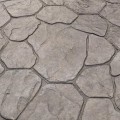
This resilience makes it suitable for a wide range of applications, from patios and walkways to pool decks and garden paths. Additionally, flagstone's natural texture provides excellent slip resistance, ensuring safety in high-traffic areas.In the realm of stamped concrete, flagstone patterns are particularly sought after for their ability to mimic the look of natural stone while offering the benefits of concrete. Stamped concrete can be designed to replicate the irregular shapes and colors of flagstone, providing an affordable alternative without sacrificing style. This combination of beauty and functionality makes flagstone a favored choice among homeowners looking to elevate their outdoor aesthetics.As we delve deeper into the uses and benefits of flagstone throughout this article, it becomes clear that this remarkable material not only enhances the visual appeal of any landscape but also offers practical advantages that contribute to its enduring popularity in both residential and commercial settings.
What is Flagstone?
Flagstone is a natural stone product that has gained popularity for its aesthetic appeal and versatility in various landscaping and construction applications.It is primarily composed of sedimentary rocks, which are formed through the accumulation and compaction of mineral particles over time. This geological process results in a durable material that can withstand the elements, making it an excellent choice for outdoor use.The term "flagstone" refers to flat stones that are typically cut into irregular shapes and sizes, allowing for a unique and organic look when laid out. These stones can be used in a variety of settings, from residential patios to commercial walkways, providing both functionality and beauty.
Types of Flagstone
There are several types of flagstone available on the market, each with its own distinct characteristics:- Slate: Known for its smooth surface and rich colors, slate flagstone is often used for patios and walkways. Its natural cleft texture adds visual interest.
- Sandstone: This type of flagstone is characterized by its warm hues and softer texture.
Sandstone is ideal for creating a rustic look in gardens and outdoor spaces.
- Limestone: With its light color and fine grain, limestone flagstone offers a classic appearance. It is often used in formal settings such as courtyards or entryways.
- Quartzite: Extremely durable and resistant to weathering, quartzite flagstone is perfect for high-traffic areas. Its vibrant colors make it a popular choice for decorative applications.
The Benefits of Using Flagstone
When considering materials for outdoor spaces, flagstone stands out due to its numerous benefits.This natural stone offers a combination of durability, aesthetic appeal, and versatility that makes it an excellent choice for both residential and commercial projects.
Durability
is one of the primary advantages of flagstone. Composed of sedimentary rocks, flagstone is inherently strong and can withstand harsh weather conditions, including extreme heat, cold, and moisture. This resilience means that flagstone surfaces can last for decades with minimal maintenance, making it a cost-effective investment for homeowners and businesses alike.In addition to its strength, flagstone is also slip-resistant , which is particularly important for outdoor areas that may become wet or slippery. This feature enhances safety for families with children or pets and is crucial for commercial properties where foot traffic is high.The aesthetic appeal of flagstone cannot be overstated.
Available in a variety of colors, textures, and shapes, it allows for creative design possibilities. Whether you prefer a rustic look or a more polished finish, flagstone can complement any architectural style. Its natural variations in color and texture create a unique appearance that synthetic materials often struggle to replicate.
Versatility
is another significant benefit of using flagstone. It can be utilized in various applications, including:
- Patios
- Walkways
- Driveways
- Pool decks
- Garden paths
- Commercial plazas and courtyards
This ability to integrate with different elements allows homeowners and businesses to achieve a customized look that reflects their personal style or brand identity.Finally, the affordability of flagstone compared to other high-end materials makes it an attractive option for those looking to enhance their property without overspending. With its long lifespan and minimal upkeep requirements, investing in flagstone can lead to significant savings over time.In summary, the benefits of using flagstone are clear: its durability, aesthetic versatility, safety features, and cost-effectiveness make it an ideal choice for anyone looking to improve their outdoor spaces.
Common Uses of Flagstone
Flagstone is a highly versatile material that finds its place in a variety of applications, both in residential and commercial settings. Its natural beauty, durability, and ease of maintenance make it a popular choice for many outdoor projects. Below are some of the most common uses of flagstone:- Patios: One of the most popular applications for flagstone is in the construction of patios.
The unique shapes and colors of flagstone allow homeowners to create stunning outdoor living spaces that are perfect for entertaining or relaxing. The natural texture provides a slip-resistant surface, making it safe for family gatherings.
- Walkways: Flagstone walkways add charm and character to gardens and yards. They can be laid in various patterns, such as random or linear designs, to complement the landscape. This not only enhances the aesthetic appeal but also provides a durable path that can withstand foot traffic.
- Driveways: While less common than other materials, flagstone can be used for driveways as well.
Its strength and resilience make it suitable for vehicle traffic, and its unique appearance can elevate the curb appeal of any home.
- Pool Decks: Flagstone is an excellent choice for pool decks due to its slip-resistant properties. It remains cool underfoot, making it comfortable for bare feet during hot summer days. Additionally, the natural stone complements the water features beautifully.
- Garden Paths: For those looking to create a serene garden environment, flagstone can be used to form winding paths through flower beds or vegetable gardens. This not only provides access but also enhances the overall design of the garden.
- Outdoor Fireplaces and Fire Pits: Flagstone is often used in the construction of outdoor fireplaces and fire pits.
Its heat resistance and natural look make it an ideal material for creating cozy outdoor gathering spots.
- Commercial Spaces: In commercial applications, flagstone is frequently used in plazas, courtyards, and sidewalks. Its durability makes it suitable for high-traffic areas while providing an elegant touch to public spaces.
Flagstone vs. Other Stamped Concrete Options
When considering outdoor surfaces, homeowners often find themselves weighing the benefits of flagstone against other stamped concrete options.Each material has its unique characteristics, making it essential to understand their differences in appearance, cost, maintenance, and suitability for various projects.
Appearance
One of the most significant distinctions between flagstone and other stamped concrete options is their visual appeal. Flagstone offers a natural, rustic look with its irregular shapes and rich textures. The stones come in various colors, allowing for a unique blend that can enhance the aesthetic of any outdoor space. In contrast, stamped concrete can mimic the appearance of flagstone but often lacks the depth and authenticity of natural stone.While stamped concrete can be designed to resemble flagstone, it may not achieve the same level of detail and variation.
Cost
Cost is another critical factor when comparing these materials. Generally, flagstone tends to be more expensive than standard stamped concrete due to its natural sourcing and labor-intensive installation process. However, the long-term value of flagstone can justify the initial investment, as it often lasts longer and requires less frequent replacement. Stamped concrete, while typically more affordable upfront, may incur additional costs over time due to repairs or resurfacing.Maintenance
Maintenance requirements also differ significantly between flagstone and stamped concrete.Flagstone is relatively low-maintenance; it requires occasional cleaning and sealing to maintain its appearance and prevent staining. On the other hand, stamped concrete may need more frequent sealing and can be prone to cracking if not properly installed or maintained. Homeowners should consider their willingness to invest time and resources into upkeep when choosing between these options.
Suitability for Projects
The suitability of each material for specific projects is another important consideration. Flagstone is ideal for patios, walkways, and pool decks where a natural look is desired.Its slip-resistant surface makes it a safe choice for areas with high foot traffic or near water features. Stamped concrete, while versatile, may be better suited for driveways or larger areas where a uniform appearance is preferred. Additionally, stamped concrete can be customized with various patterns and colors to fit specific design themes.In conclusion, both flagstone and other stamped concrete options have their pros and cons. By evaluating factors such as appearance, cost, maintenance, and project suitability, homeowners can make an informed decision that best meets their needs and enhances their outdoor spaces.
Designing with Flagstone: Patterns and Styles
When it comes to designing outdoor spaces, flagstone offers a wealth of possibilities that can enhance the aesthetic appeal and functionality of your property.Its natural beauty and versatility allow for a variety of patterns and styles, making it a popular choice among homeowners and landscape designers alike.
Popular Flagstone Patterns
One of the most appealing aspects of flagstone is the range of patterns that can be created. Here are some popular options:- Herringbone: This classic pattern features rectangular pieces arranged in a zigzag formation, creating a dynamic visual effect. It is particularly effective for walkways and patios, adding a touch of sophistication.
- Basket Weave: This design alternates pairs of stones laid in opposite directions, resembling a woven basket. It works well in larger areas and can create a cozy, inviting atmosphere.
- Random Stone Pattern: For a more organic look, random stone patterns utilize irregularly shaped pieces of flagstone.
This style mimics the natural landscape and is perfect for rustic settings.
- Grid Pattern: A modern approach, the grid pattern uses uniform pieces arranged in a square or rectangular layout. This design is ideal for contemporary homes and can be paired with grass or gravel for added texture.
Creative Uses of Flagstone
Beyond traditional applications, flagstone can be creatively integrated into various elements of your outdoor space:- Fire Pits: Surrounding a fire pit with flagstone not only enhances its visual appeal but also provides a durable surface that withstands heat.
- Garden Paths: Use flagstone to create winding paths through your garden, guiding visitors through your landscape while adding an element of charm.
- Retaining Walls: Flagstone can be stacked to form attractive retaining walls that help manage soil erosion while providing additional seating areas.
- Pools and Water Features: Incorporating flagstone around pools or water features creates a seamless transition between hardscapes and softscapes, enhancing the overall ambiance.
By exploring various patterns and creative uses, you can transform your outdoor area into an inviting retreat that reflects your personal style while maximizing functionality.
Maintenance Tips for Flagstone Surfaces
Maintaining flagstone surfaces is essential for preserving their beauty and ensuring their longevity. With proper care, flagstone can remain a stunning feature of your outdoor space for many years. Here are some practical tips for caring for flagstone and keeping it in top condition.Regular Cleaning
One of the most important aspects of cleaning flagstone surfaces is to establish a regular cleaning routine. Here are some steps to follow:- Remove Debris: Regularly sweep or use a leaf blower to remove leaves, dirt, and other debris from the surface.
This prevents staining and keeps the area looking tidy.
- Wash with Water: Use a garden hose to rinse off the surface periodically. For more thorough cleaning, a pressure washer can be used, but ensure it is set to a low pressure to avoid damaging the stone.
- Use Mild Detergents: For stubborn stains, mix a mild detergent with water and scrub the affected area with a soft-bristle brush. Avoid harsh chemicals that can damage the stone or its sealant.
Preventative Measures
Taking preventative measures can significantly reduce the need for intensive cleaning and maintenance:- Seal the Flagstone: Applying a high-quality sealant can protect flagstone from moisture and stains. Reseal every few years, depending on exposure to elements.
- Avoid Heavy Loads: Be cautious about placing heavy objects on flagstone surfaces, as this can lead to cracking or chipping.
- Manage Weeds: Regularly check for weeds growing between stones.
Use a weed killer or pull them out by hand to prevent them from damaging the joints.
Seasonal Care
Different seasons may require specific maintenance tasks:- Winter Precautions: In colder climates, avoid using salt for ice melting as it can damage flagstone. Instead, use sand or kitty litter for traction.
- Summer Maintenance: During hot months, ensure that your flagstone does not dry out excessively. A light misting of water can help keep it cool and prevent cracking.
Cost Considerations for Flagstone Projects
When considering a flagstone project, understanding the cost of installation is crucial for effective budgeting.Flagstone, while offering aesthetic and functional benefits, can vary significantly in price based on several factors.
Installation Costs
The overall cost of installing flagstone typically ranges from $15 to $30 per square foot. This price includes both the material and labor. However, the final cost can fluctuate based on:
- Type of Flagstone: Different varieties of flagstone, such as bluestone, sandstone, or limestone, come with varying price tags. For instance, bluestone is often more expensive due to its durability and unique color.
- Project Size: Larger projects may benefit from economies of scale, potentially lowering the cost per square foot.
Conversely, smaller projects might incur higher costs due to minimum labor charges.
- Site Preparation: The condition of the installation site can significantly impact costs. If extensive grading or excavation is required, this will add to the overall expense.
- Design Complexity: Intricate patterns or custom designs will require more labor and time, increasing the total cost. Simple layouts are generally more budget-friendly.
Budgeting for Flagstone Projects
When planning your budget for a flagstone project, it’s essential to account for not just the material and installation costs but also additional expenses such as:
- Sealing and Maintenance: To preserve the beauty and longevity of flagstone, sealing may be necessary. This can add an extra $1 to $2 per square foot.
- Landscaping Elements: If you plan to incorporate landscaping features like lighting or plants around your flagstone installation, these costs should also be factored into your budget.
- Permits: Depending on your local regulations, you may need permits for your project, which can incur additional fees.
Comparing Flagstone to Other Materials
When evaluating whether to use flagstone or other materials like concrete pavers or asphalt, consider both initial costs and long-term value.
While flagstone may have a higher upfront cost compared to stamped concrete options like Greensboro stamped concrete, its durability and aesthetic appeal can lead to lower maintenance costs over time.Ultimately, investing in flagstone can enhance your property’s value and curb appeal, making it a worthwhile consideration for homeowners looking to create stunning outdoor spaces.
FAQs About Flagstone and Stamped Concrete in Greensboro
When considering flagstone and stamped concrete for your outdoor projects in Greensboro, many questions may arise. Below are some frequently asked questions that can help clarify common misconceptions and provide valuable insights.What is the difference between flagstone and stamped concrete?
Flagstone is a natural stone product that is typically cut into irregular shapes, providing a unique and organic look. In contrast, stamped concrete is a man-made material that mimics the appearance of natural stones, including flagstone, through the use of molds and dyes. While both options can enhance outdoor spaces, flagstone offers a more authentic aesthetic, whereas stamped concrete can be customized to fit various design preferences.Is flagstone more expensive than stamped concrete?
The cost of flagstone can vary significantly based on the type of stone, availability, and installation complexity.Generally, flagstone tends to be more expensive than stamped concrete due to its natural origin and the labor-intensive installation process. However, many homeowners in Greensboro find that the long-term durability and aesthetic appeal of flagstone justify the initial investment.
Can I use flagstone for my driveway?
Yes, flagstone can be used for driveways; however, it is essential to ensure proper installation to handle vehicle weight. A well-prepared base and appropriate jointing material are crucial for preventing shifting or cracking over time. If you are considering using flagstone for a driveway in Greensboro, consulting with a professional installer can help ensure a successful project.How do I maintain my flagstone surface?
Maintaining a flagstone surface involves regular cleaning and occasional sealing.To clean, simply use a mild detergent mixed with water and a soft brush to remove dirt and debris. Sealing your flagstone every few years can help protect it from stains and weather damage, ensuring its longevity.
What are the benefits of using stamped concrete in Greensboro?
- Cost-effective: Stamped concrete is often less expensive than natural stone options like flagstone.
- Customization: It can be designed to mimic various materials, allowing for greater flexibility in design.
- Durability: Stamped concrete is highly durable and can withstand harsh weather conditions typical in Greensboro.
Conclusion: The Lasting Appeal of Flagstone in Outdoor Design
In summary, flagstone stands out as a premier choice for outdoor design, offering a blend of beauty, durability, and versatility that few materials can match. Its unique characteristics not only enhance the aesthetic appeal of any space but also provide practical benefits that make it suitable for a variety of applications.Throughout this article, we have explored the numerous uses of flagstone, from creating stunning patios and walkways to enhancing pool decks and commercial spaces.The ability to customize flagstone with different colors, textures, and patterns allows homeowners and designers alike to craft unique outdoor environments that reflect personal style and complement existing architecture.Moreover, the durability of flagstone cannot be overstated. This natural stone is capable of withstanding harsh weather conditions, making it an ideal choice for regions with fluctuating climates. Its slip-resistant surface ensures safety in high-traffic areas, while its low maintenance requirements mean that it will continue to look great with minimal effort.As we consider the long-term value of outdoor investments, flagstone emerges as a cost-effective solution. Compared to other materials like pavers or stamped concrete options, flagstone offers an affordable way to elevate the look of your property without compromising on quality or longevity.In conclusion, whether you are planning a new patio, updating your driveway, or designing a commercial landscape, flagstone is a material worth considering.
Its lasting appeal lies not only in its visual charm but also in its functional benefits. By choosing flagstone for your next project, you are investing in a timeless element that will enhance your outdoor space for years to come.